

Airbag Compatible Car Seat Covers: Side-Impact Safety Explained
Posted by YourCarButBetter on
Airbag compatible car seat covers are designed to let a seat-mounted side-impact airbag deploy through a designated breakaway seam. The seam is built to release during deployment, helping avoid obstruction, delay, or redirection. Because designs and vehicle airbag paths vary, confirm the cover’s compatibility and installation instructions for your specific vehicle before use.
What Makes a Seat Cover Airbag Compatible?
 Airbag Compatible Car Seat Covers: Side-Impact Safety Explained - What Makes a Seat Cover Airbag Compatible?
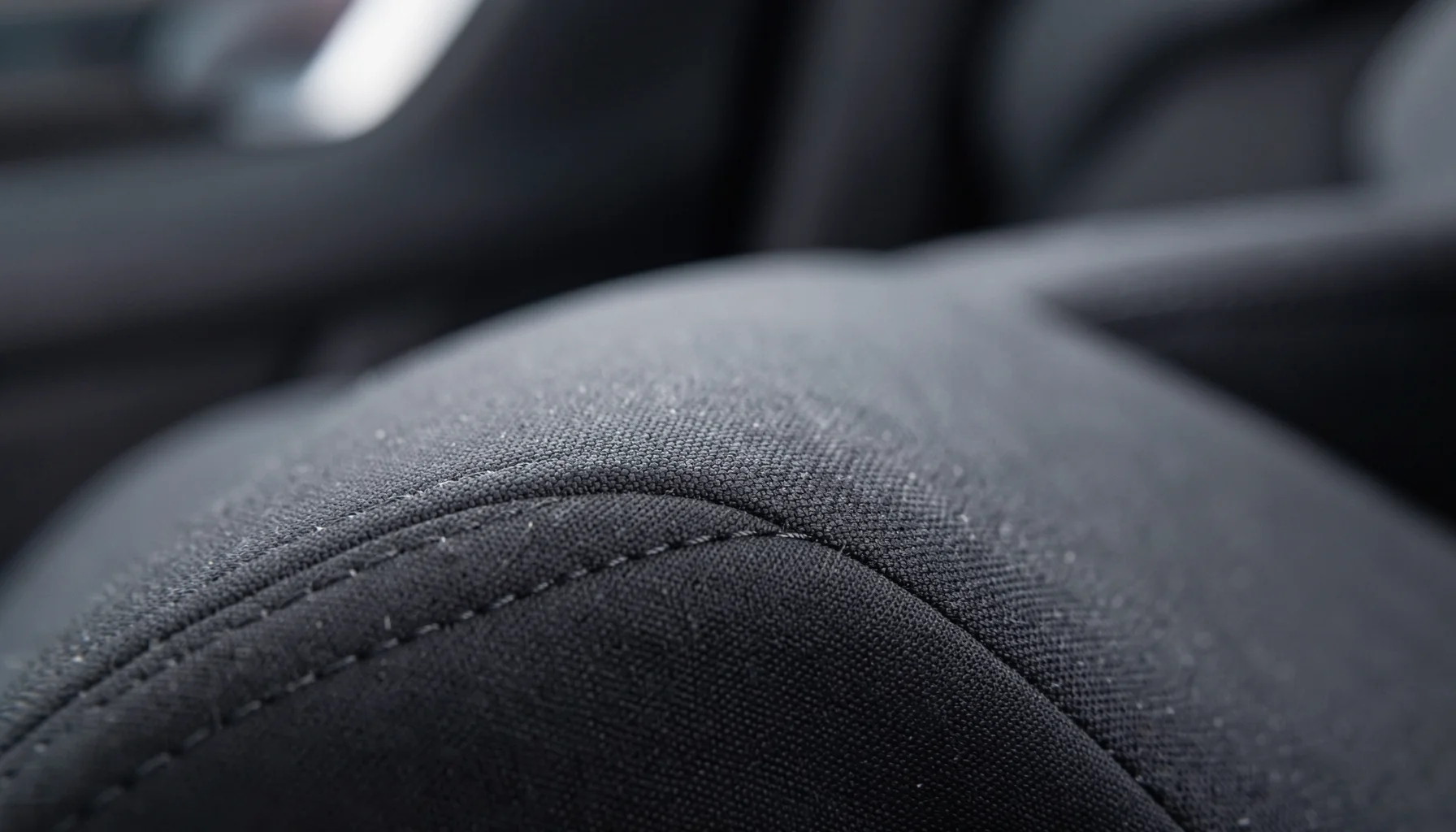
An airbag-compatible cover has a breakaway seam positioned over the deployment area of a seat-integrated side airbag. This release seam uses specialized, lighter-weight thread or construction intended to split at a force threshold suited to the vehicle’s airbag system. A cover without an appropriate release design may interfere with deployment.
Side-impact airbags, also called seat-mounted airbags or thorax airbags, commonly deploy from the door-facing outer bolster. They help protect the occupant’s torso and head. Deployment happens extremely quickly—typically in approximately 30 milliseconds—so a cover must not obstruct or redirect the airbag as it emerges.
The practical benefit is not simply a label or a particular fabric. It is a construction and fit that allow the airbag to deploy as intended. Incompatible material or seams can block or delay deployment, redirect the airbag, or become hazardous debris. A cover’s appearance or general fit does not establish that it is airbag compatible.
When evaluating a cover, look for:
- A clearly identified breakaway or release seam at the side-airbag area.
- Product information explicitly describing the seam construction and intended vehicle fitment.
- Documentation supporting any stated testing claims. Do not assume that every product has been tested against Federal Motor Vehicle Safety Standards (FMVSS).
- Instructions that explain how the seam should align with the vehicle seat.
YourCarButBetter’s guidance is to verify product-specific information rather than infer safety compatibility from a product name or photo. For broader guidance on choosing and maintaining covers, see the complete guide to car seat covers.
How to Check and Install a Compatible Cover
A compatible cover must have the right release construction and be installed so its seam aligns with the vehicle’s deployment zone. Before installation, verify the vehicle’s airbag location and the cover’s documented compatibility; then follow the cover instructions without obstructing the seam or other safety equipment.
| Check or feature | What to verify | Why it matters |
|---|---|---|
| Airbag location | Check the owner’s manual or look for an “SRS” or “SAB” marking on the seat bolster. | Identifies whether a seat-integrated airbag may deploy from that area. |
| Release construction | Confirm the cover has a designated breakaway seam and read its product documentation. | The seam is intended to release rather than restrain deployment. |
| Seam position | Align the cover’s designated seam with the factory airbag deployment zone. | Misalignment may interfere with the airbag’s path. |
| Cover fit | Ensure the cover sits snugly without pulling the release seam tight. | Excessive tension may restrict seam release. |
| Seat functions | Check that the cover does not interfere with seat belts, levers, or other safety mechanisms. | These components must remain accessible and functional. |
Installation workflow
- Confirm airbag presence. Consult the owner’s manual and inspect the seat bolster for SRS or SAB labels. Do not rely on appearance alone.
- Check product documentation. Look for an explicit description of breakaway seam construction and vehicle-specific fitment information. If compatibility is unclear, ask the manufacturer or seller before installing.
- Align the release seam. Position the cover’s designated seam over the vehicle’s factory deployment zone, following the cover’s instructions. Do not cover or relocate the seat’s airbag label.
- Secure without overtightening. The cover should be snug, but straps must not pull the release seam taut or restrict its ability to split.
- Inspect the finished installation. Make sure the seat belt, adjustment levers, and other safety mechanisms remain unobstructed. Recheck the seam alignment after adjusting or reinstalling the cover.
A universal-fit cover may not align as reliably as a vehicle-specific pattern because seat shapes and airbag paths differ. Still, a vehicle-specific description is not, by itself, proof of airbag compatibility. Verify the release design and documentation for the particular cover.
Choosing Carefully: Recommendations and 2026 Outlook
The safest decision is to use a cover only when its product-specific information supports compatibility with your vehicle’s seat-mounted airbag. In 2026, the practical benchmark remains clear documentation, visible seam identification, and correct installation—not broad safety claims or an unverified percentage figure.
Before buying or using a cover, consider these points:
- Prioritize evidence over wording. Look for explicit descriptions of the breakaway seam and any available FMVSS-related testing documentation. Do not treat an unsupported “airbag compatible” claim as certification.
- Match the vehicle and seat. A pattern designed for a specific vehicle is generally more likely to place the release seam correctly than a generic cover, but fitment alone does not guarantee compatibility.
- Follow both sets of instructions. Check the vehicle owner’s manual and the cover’s installation guidance. If the instructions conflict or the deployment zone is unclear, do not guess.
- Recheck after changes. If the cover shifts, is removed for cleaning, or is reinstalled, verify that the seam is still correctly aligned and that straps have not tightened across it.
- Avoid improvised alterations. Do not cut, sew, or modify the cover’s seam to make it fit. Alterations can change how the material releases.
There is no single percentage benchmark that establishes compatibility across vehicles and covers. Airbag systems and seat designs vary, so general market statistics would not replace product-specific evidence. The useful 2026 outlook is continued attention to transparent construction details, clear fitment guidance, and careful installation.
YourCarButBetter recommends treating airbag compatibility as a safety requirement to verify—not a styling feature to assume. If the product documentation does not clearly address the release seam and intended vehicle fit, choose a cover with clearer information or leave the seat uncovered.
FAQ
How can I tell whether my seat has a side-impact airbag?
Check your vehicle owner’s manual for seat-mounted side airbags, and inspect the outer seat bolster for an “SRS” or “SAB” label. These indicators can help locate the system, but they do not confirm that a particular cover is compatible. Verify the cover’s own documentation and intended fitment before installation.
Can I use a cover if its airbag compatibility is unclear?
Do not assume an undocumented cover will allow safe deployment. A cover may block, delay, or redirect an airbag, and its material could become debris when the airbag deploys. Ask the manufacturer or seller for product-specific seam and fitment information; if it remains unclear, do not install it over the airbag area.