

Heated Car Seat Cover Compatibility: Safety & Fit Guide
Posted by YourCarButBetter on
Heated car seat cover compatibility means the cover lets warmth from the factory heating elements reach you without trapping excessive heat or interfering with seat safety systems. Some covers can work well, but compatibility depends on the vehicle’s instructions, the cover’s material and fit, and whether the seat is also ventilated. Check these factors before installation, not after the heater feels different.
What Heated Seat Compatibility Means
A compatible cover allows heat to pass through the seat surface at a useful rate while avoiding excessive heat retention, uneven warming, and interference with safety features; for seats with side airbags, see this guide to airbag-compatible car seat covers. Compatibility is not guaranteed just because a cover fits over the seat or is made from a particular material.
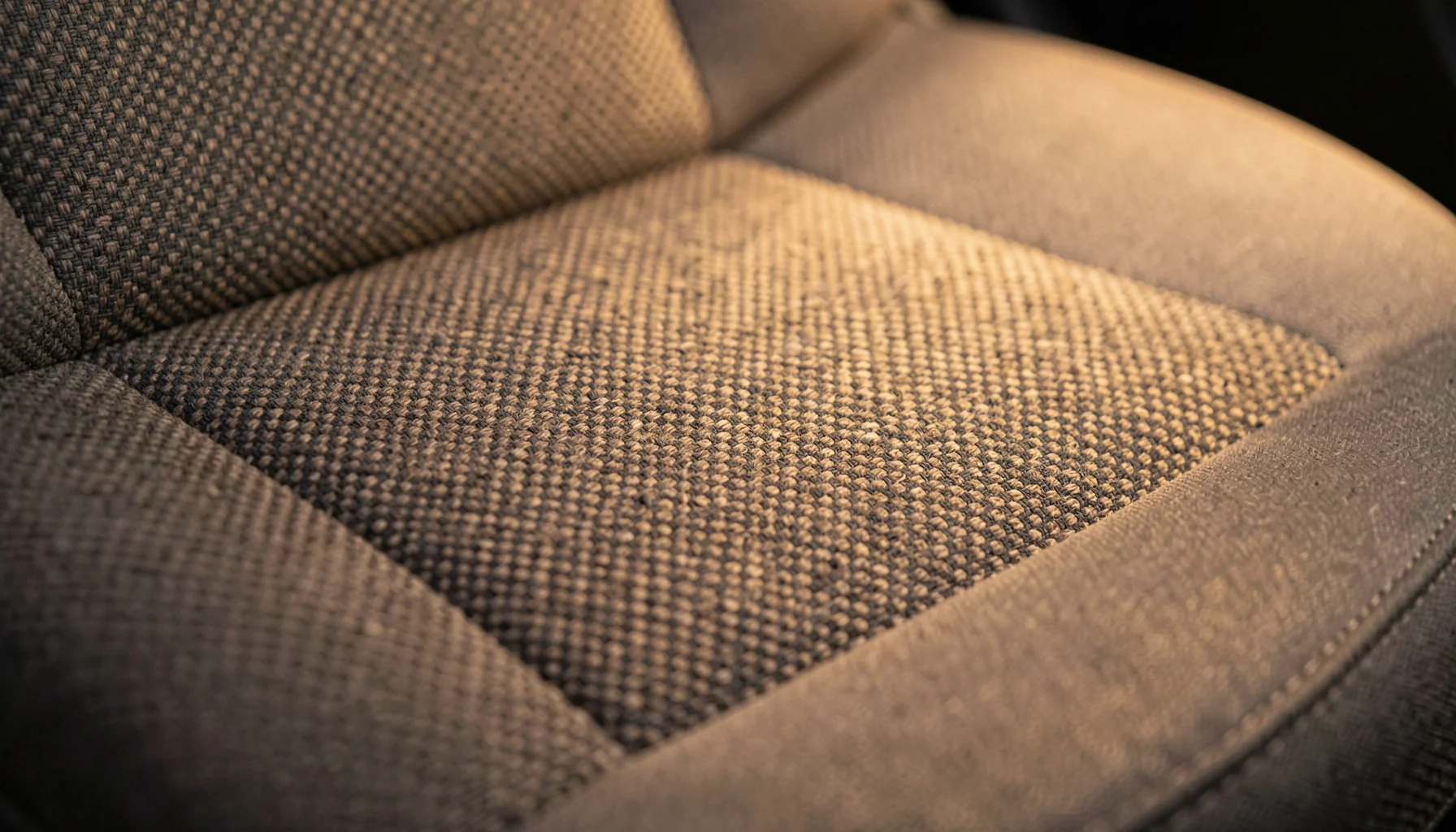 Heated Car Seat Cover Compatibility: Safety & Fit Guide - What Heated Seat Compatibility Means
Factory heated seats use elements built into the seat to warm its surface. Adding a cover changes the path between those elements and the occupant. Thermal conductivity affects how readily warmth passes through a material; breathability describes how readily air moves through it. Both matter, but neither alone confirms that a specific cover is safe for a particular vehicle.
Fabric and leatherette covers may work with heated seats when the cover is correctly fitted and expressly described as compatible. By contrast, thick padding or insulation can slow heat transfer, hold warmth near the surface, or contribute to uneven heating. A cover that lets heat through may still be unsuitable if its seams, folds, or attachment points create other problems.
The practical benefit of a suitable cover is that it can provide a layer of interior protection while allowing the original heating function to operate as intended. That benefit depends on the actual cover and seat configuration; it should not be assumed from material or appearance alone.
Safety is equally important. Many seats include side airbags or occupancy sensors, and a cover must be designed not to obstruct airbag deployment or affect sensor accuracy. Heated-seat compatibility does not automatically mean compatibility with these features.
How to Check Fit and Use a Cover Safely
A safe compatibility check starts with the vehicle manual, then confirms that the cover is approved for the specific vehicle and seat functions. Proper fit matters: loose fabric, thick seams, or misaligned openings can affect heat distribution or interfere with safety features.
Use this comparison table as a screening guide, not as a substitute for vehicle-specific approval.
| Check | More suitable indication | Reason for caution |
|---|---|---|
| Vehicle guidance | Owner’s manual permits aftermarket seat covers, or the manufacturer/dealer confirms suitability | The manual prohibits covers, or guidance is unclear |
| Heated-seat claim | Cover is expressly stated as compatible with heated seats and your vehicle configuration | Compatibility is unstated or applies only to a different setup |
| Material and padding | Breathable, relatively unpadded construction that allows warmth to pass through | Thick, heavily padded, or insulated construction may slow or trap heat |
| Fit and installation | Cover aligns with the seat contours and is installed without loose folds or bulky seams | Poor fit can contribute to uneven warmth or create safety concerns |
| Airbags and sensors | Design accounts for seat-mounted airbags and occupancy sensors | Openings, seams, or attachment points could obstruct or affect them |
| Ventilated seats | Cover is expressly approved for both heating and ventilation | A heat-compatible cover may still block ventilation airflow |
Step 1: Read the owner’s manual. Check whether aftermarket seat covers are permitted. If the manual prohibits them or does not address them, contact the vehicle manufacturer or an authorized dealer before proceeding.
Step 2: Match the cover to the vehicle. Confirm the stated compatibility for the vehicle’s year, make, model, and trim, along with heated-seat use. A cover designed for a particular vehicle configuration is generally preferable to a universal cover because alignment with seat contours and features matters.
Step 3: Check every seat function. If the seat is both heated and ventilated, look for explicit approval for both. Heat passing through a material does not prove that air can move through it adequately.
Step 4: Install carefully and observe operation. Follow the cover’s installation instructions. Check that the cover lies flat and does not obscure airbag areas or interfere with sensors. If heating behaves unexpectedly or the cover prevents the system from functioning as intended, remove it and seek guidance.
Practical Recommendation and FAQs
The safest choice is a cover expressly approved for heated seats and the vehicle’s specific configuration, with separate confirmation for ventilation, airbags, and sensors where applicable. Do not compensate for reduced warmth by using the heater on its highest setting or for longer than recommended.
YourCarButBetter’s practical guidance is to treat fit and documented compatibility as essential—not optional details. Before buying or installing a cover, verify the vehicle guidance, the product’s stated use, and the seat features it must accommodate. If any of those points remain uncertain, ask the vehicle manufacturer or an authorized dealer rather than relying on a general claim about fabric or leatherette.
A few useful precautions:
- Avoid covers with substantial padding or insulation unless they are specifically approved for the setup.
- Do not assume a universal cover will align correctly with every seat or safety feature.
- Stop using the cover if the heater operates differently than intended.
- Never use warmth alone as proof of compatibility; uneven heat or blocked ventilation may not be obvious immediately.
For 2026 and beyond, the practical standard remains vehicle- and product-specific verification. There is no single material rule or universal percentage that can establish compatibility across all seats and covers. Follow the vehicle maker’s guidance and the cover maker’s stated fit and function claims.
FAQ
Can I put any seat cover over factory heated seats?
No. Use only a cover expressly stated as compatible with heated seats and your specific vehicle configuration. Check the owner’s manual first; if it prohibits covers or provides no guidance, contact the vehicle manufacturer or an authorized dealer. Also confirm that the cover accounts for seat-mounted airbags and occupancy sensors.
Can a heated-seat cover also work with ventilated seats?
Not necessarily. A material may allow heat to pass through while still restricting the airflow needed for ventilation. If your seat has both functions, choose a cover expressly approved for both heating and ventilation in your vehicle configuration. If the cover changes how either system works, remove it.