

Emerging Eco-Friendly Materials in Car Floor Mats and Seat Covers
Posted by YourCarButBetter on
Smart materials in automotive interior accessories are moving protection beyond appearance, but the latest reports offer a direction—not proof that every new mat is recycled or lighter. October 2026 coverage points to accessory-market growth through 2035 and growing interest in vacuum-formed parts. For drivers, the practical question is which materials actually protect the cabin and what product claims are verifiable.
What the Latest Materials Trend Means for Car Interiors
The emerging trend is a shift toward interior accessories judged by function, material efficiency, and durability—not styling alone. Reports from October 2026 describe growth in automotive accessories and interest in lightweight manufacturing, while severe-weather guidance highlights the everyday need to protect cabin floors from mud, road salt, and moisture.
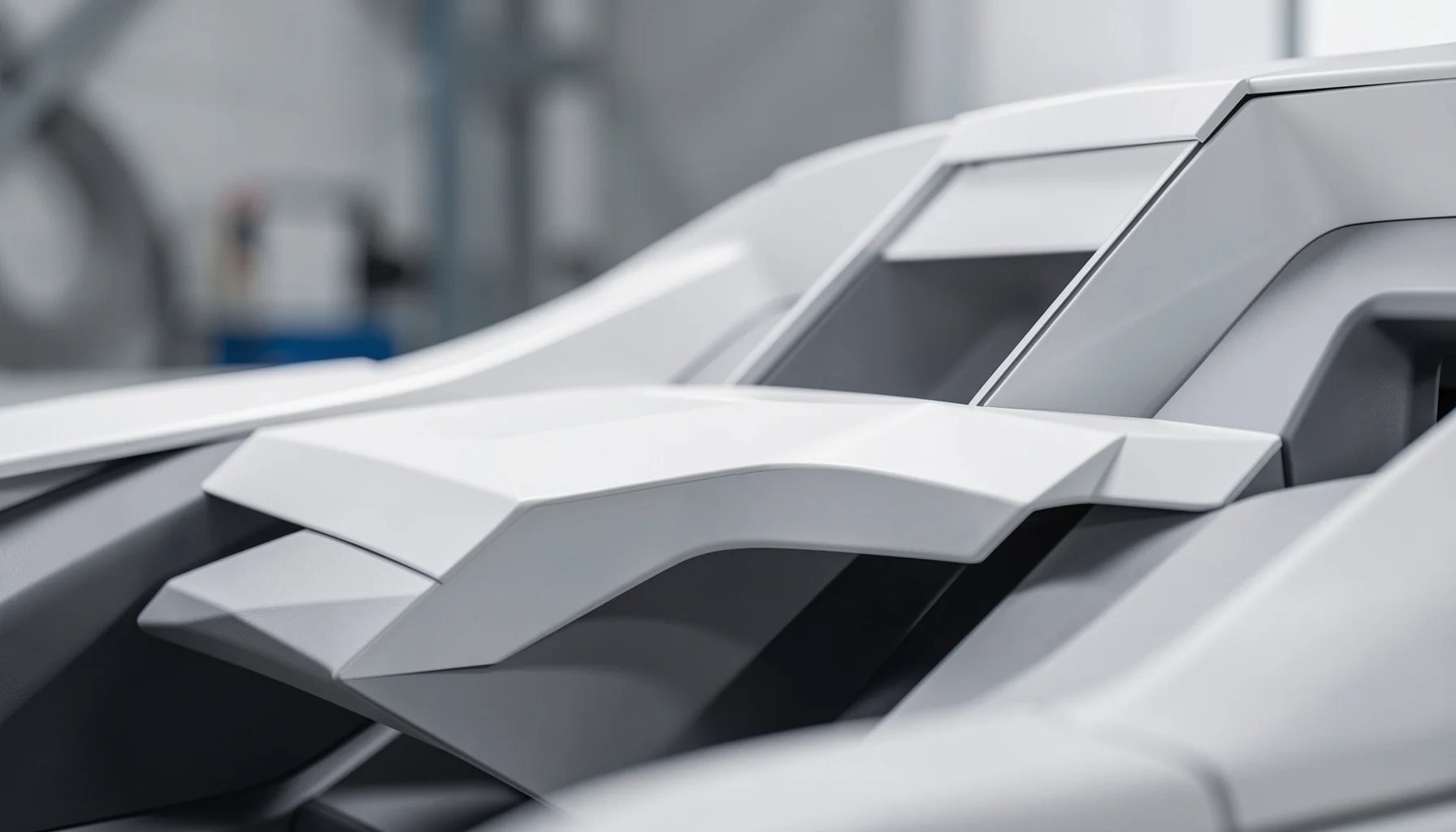 Emerging Eco-Friendly Materials in Car Floor Mats and Seat Covers - What the Latest Materials Trend Means for Car Interiors
EIN News reported on October 13, 2026, on growth in the global automotive interior trim market. Business Research Insights, on October 9, forecast an automotive accessories market trajectory extending to 2035. These reports indicate broad market momentum, but the supplied summaries do not provide market values, growth rates, or product-level sales figures. They should not be treated as proof that a particular material or accessory will deliver a specific benefit.
IndexBox’s October 4 coverage highlighted vacuum-formed parts and lightweighting. In this process, a heated sheet is shaped against a mold using vacuum pressure. The method can produce formed components, but a manufacturing technique alone does not establish what a floor mat is made of, how much it weighs, or how well it resists stains and moisture.
For drivers, “smart material” is best understood as a practical buying lens, not a technical certification. Consider whether an accessory’s material, shape, care instructions, and vehicle fit address the conditions it will face. A mat exposed to winter slush has a different job from a seat cover chosen mainly to reduce everyday wear.
Car and Driver’s August 1, 2026, coverage emphasized protecting vehicle floors from environmental contaminants such as salt, mud, and mold. The useful takeaway is straightforward: remove and clean accessories as directed, and do not assume a mat prevents mold or protects carpet if moisture becomes trapped underneath.
How to Compare Materials, Claims, and Real-World Uses
Material choice should follow the job. A floor mat must contend with tracked-in debris and damp conditions; a seat cover is selected for contact, wear, comfort, and cleaning needs. A recycled-content statement, vacuum-formed shape, or “lightweight” label may be relevant, but none independently confirms overall durability or environmental impact.
MarketsandMarkets’ September 7 analysis focused on South Korea’s automotive interior market, while the supplied market brief also identifies North America as a key region for interior-material analysis. Regional attention can signal industry interest, but it does not show that a specific accessory sold in the United States uses recycled polymers or meets a particular performance standard. Check product-specific information before drawing conclusions.
| Material or design consideration | Potential relevance | What shoppers should verify |
|---|---|---|
| Vacuum-formed construction | A shaping process that can create formed parts and is associated in current coverage with lightweighting | Whether the specific product uses this process; its material and care instructions |
| Recycled polymer content | May support material-reuse goals when content is documented | Whether the seller identifies recycled content and provides a clear product-level claim |
| Floor-mat shape and coverage | Can affect how well a mat suits a vehicle’s floor area | Vehicle compatibility, coverage information, and whether the mat can be secured as intended |
| Seat-cover material | Influences feel, cleaning, and suitability for daily use | Material description, care guidance, fit information, and any relevant safety details |
| Moisture management | Matters when rain, mud, or winter slush enters the cabin | Cleaning and drying instructions; avoid leaving trapped moisture beneath accessories |
Use this simple comparison process before purchasing:
- Start with the exposure. List the main issue—mud, salt, spills, pets, children, or seat wear—rather than choosing by “eco-friendly” wording alone.
- Check the exact product details. Look for stated materials, recycled-content information, vehicle fitment, installation guidance, and cleaning instructions. If a claim is not documented, treat it as unverified.
- Consider the full routine. A protective accessory still needs regular inspection and cleaning. Remove debris and dry damp areas according to the product and vehicle-care instructions.
- Assess fit before use. Confirm compatibility and placement. Never assume a mat or cover is secure or suitable for a particular vehicle based only on appearance.
- Keep expectations measured. Interior protection may help limit wear and contamination, but resale value depends on the vehicle’s overall condition, maintenance, and market—not accessories alone.
This approach also clarifies what the market reports cannot answer. They do not compare recycled and virgin polymers, quantify fuel savings from lighter accessories, or establish that vacuum-formed mats outperform other designs. Those conclusions require product-specific specifications or comparative testing.
What Drivers and the Industry Should Do Next
The strongest near-term strategy is informed preparation, not buying on a trend label. Automakers and suppliers may continue exploring lightweight and recycled materials, while consumers can make more grounded choices by prioritizing documented fit, material information, and maintenance needs.
For drivers, the choice between a floor mat and a seat cover begins with the area that needs protection. In wet or snowy conditions, focus on floor coverage, removal, and cleaning. For frequent passenger or pet use, review seat-cover material, fit, and care details. YourCarButBetter’s educational approach is to help shoppers assess these practical factors without treating a broad market forecast as a guarantee about individual products.
For brands, the trend raises the bar for transparent claims. “Recycled,” “sustainable,” “lightweight,” and “durable” should be supported with specific, understandable product information. Buyers benefit when listings distinguish a manufacturing process from a material claim and explain how to install and care for the accessory.
The market outlook to 2035 is a long-range forecast, not a timeline for universal adoption. Similarly, current coverage of vacuum-formed parts does not establish that the method has become a standard for every car accessory. Drivers can prepare by checking product details, keeping interiors clean and dry, and replacing accessories when they no longer fit or function as intended.
The practical takeaway is that smart materials matter when their benefits are clear and relevant to the vehicle’s use. Choose accessories based on documented features and fit—not broad sustainability language alone—and maintain them regularly. That is a more reliable route to protecting an interior than assuming a new material automatically preserves resale value or reduces environmental impact.
FAQ
Are vacuum-formed car floor mats automatically better?
No. Vacuum forming describes a manufacturing process, not a complete performance rating. A specific mat’s usefulness depends on its material, shape, vehicle compatibility, installation, and care requirements. Compare those details with your driving conditions, and do not assume that a vacuum-formed product is lighter, more durable, or more protective unless the product information supports that claim.
Do recycled-polymer accessories help preserve a car’s resale value?
Recycled content describes a material attribute; it does not guarantee an accessory’s durability or the vehicle’s resale price. A properly chosen, maintained accessory may help reduce everyday interior wear, but resale value also depends on vehicle condition, service history, mileage, and market demand. Verify product claims and follow cleaning instructions rather than relying on a broad sustainability label.