

Benefits of Breathable Mesh Car Seat Covers in Hot Climates
Posted by YourCarButBetter on
Breathable mesh car seat covers use a porous woven structure that allows more air circulation than solid, nonporous seat-cover materials, while emerging eco-friendly materials in car floor mats and seat covers offer additional options for modern interiors. In warm weather, that airflow can help reduce heat buildup between the occupant and the seat surface. They also create a barrier against surface dirt and minor wear, though fit, safety compatibility, and care instructions should be checked before use.
How Mesh Construction Helps in Warm Weather
Breathable mesh covers are seat coverings made with an open, porous weave. Unlike solid synthetic or leather-like materials, the structure is designed to let air circulate through the fabric, which may help limit heat buildup where a person contacts the seat. They do not cool the vehicle or guarantee a particular temperature change.
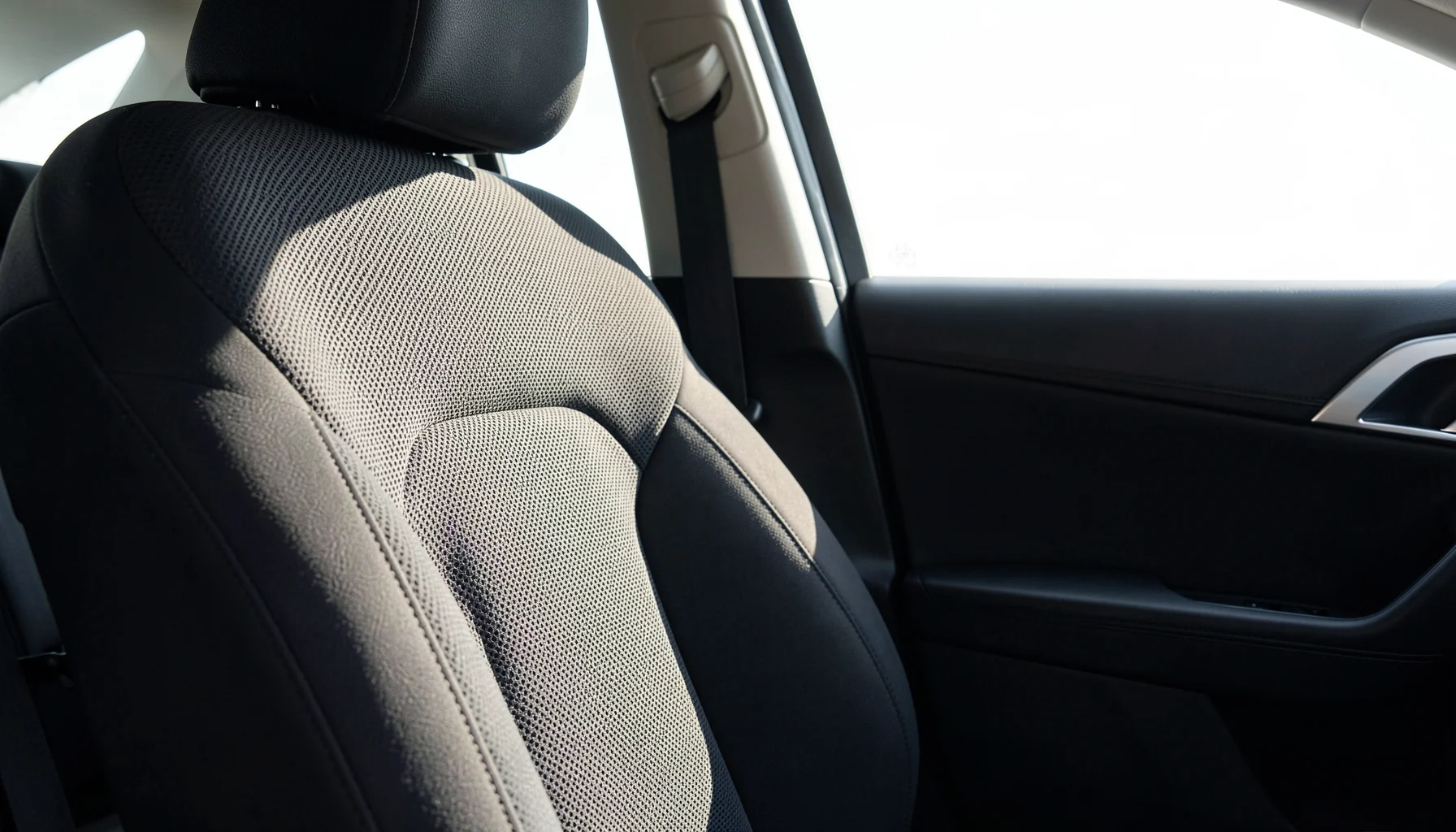 Benefits of Breathable Mesh Car Seat Covers in Hot Climates - How Mesh Construction Helps in Warm Weather
For drivers in warmer US regions, this airflow is the central practical distinction. A mesh cover can make the seat surface feel less closed off during everyday driving, especially when compared with nonporous cover materials. The actual experience can vary with conditions such as cabin temperature, sunlight exposure, and the seat beneath the cover.
Mesh covers also serve as a protective layer between occupants and factory upholstery. They can catch surface-level dust, dirt, crumbs, pet hair, and light moisture, helping reduce direct contact with the original seat. They are not a substitute for waterproof protection, and their protection should not be treated as a guarantee against stains or damage.
A further benefit is visual refresh. Mesh seat covers are available in different colors, patterns, and character-based designs, offering a way to personalize an older or faded interior without reupholstering. Because these options are generally universal-fit or semi-universal rather than custom-molded, appearance and snugness can vary by seat.
Specifications, Fit Checks, and Installation
Mesh seat covers are generally universal-fit or semi-universal accessories, not covers molded for a specific vehicle seat. Check the seat layout and product information before purchase, then install the cover so it remains secure without blocking controls, buckles, or safety equipment.
| Attribute | General characteristic | Practical consideration |
|---|---|---|
| Material structure | Porous, woven mesh fabric | Designed to allow air circulation compared with solid materials |
| Main purpose | Layer between occupant and original upholstery | Helps catch surface dirt, dust, and minor wear |
| Fit category | Generally universal-fit or semi-universal | May not match seat contours exactly and can need adjustment |
| Design options | Various colors, patterns, and character themes | Choose a style that suits the vehicle interior |
| Safety information | Not necessarily airbag-compatible | Verify compatibility if the vehicle has seat-mounted side airbags |
| Water and flame claims | Not assumed unless stated on the product page | Do not treat the cover as waterproof or flame-retardant without confirmation |
| Routine care | Shake out or vacuum; spot clean if needed | Follow the product care tag if machine washing is specified |
What should you check before installation? Start with the vehicle’s seat configuration, including integrated side-impact airbags, headrest type, and seat belt placement. If the vehicle has seat-mounted side airbags, verify compatibility with the specific cover before fitting it. Do not assume a general-fit cover is safe for every seat design.
Use this streamlined workflow:
- Check compatibility: Compare the seat layout with the product information, paying particular attention to side airbags, headrests, belts, and controls.
- Prepare the seat: Remove the headrest if applicable.
- Position the cover: Drape the mesh over the seat back and base, aligning it as evenly as the seat design allows.
- Secure and inspect: Use the supplied attachment mechanisms, typically elastic straps, hooks, or clips. Confirm that the cover does not obstruct buckles or manual or power seat adjustments.
- Recheck the fit: Sit in the seat and inspect whether the cover has shifted or become loose. General-fit covers may require periodic adjustment.
For broader guidance on choosing and maintaining different styles, see the complete guide to car seat covers.
Choosing and Caring for Mesh Covers
For warm-weather use, choose a mesh cover when airflow and a light protective layer are priorities, and verify seat compatibility before installation. YourCarButBetter is a retailer, not a vehicle safety certification body; its practical guidance is to rely on product-specific information for fit and safety claims.
Who may find mesh useful? Drivers in hot regions may prefer its porous construction over a solid cover material. Families and pet owners may value the barrier against everyday crumbs, hair, and light moisture, while drivers refreshing worn-looking interiors may appreciate the range of designs. These are practical use cases, not promises of a specific cooling or protection result.
To help maintain the cover, periodically remove it to shake out debris or vacuum the surface. If its care tag says it is machine washable, follow those instructions. Otherwise, spot clean with a damp cloth. Check the cover periodically for shifting, particularly after installation or when seat adjustments are used.
As of 2026, the useful buying standard remains straightforward: assess the seat configuration, confirm any safety-related compatibility directly from the product information, and select a design and care routine suited to daily use. Avoid assuming that mesh means waterproof, flame-retardant, airbag-compatible, or custom-fit. Those characteristics require explicit product-specific support.
For a deeper look at airflow considerations, read about breathable mesh car seat covers for hot-weather driving. The key takeaway is that mesh is designed to encourage circulation, but it cannot replace sensible fit checks or verified safety information.
FAQ
Do breathable mesh car seat covers keep seats cool in hot weather?
Mesh construction is designed to allow more air circulation than solid, nonporous cover materials, which can help reduce heat buildup between the occupant and seat surface. It does not cool the cabin or guarantee a temperature reduction. Results depend on conditions such as sunlight, cabin heat, and the underlying seat.
Can I use a mesh cover over a seat with a side airbag?
Do not assume a general-fit mesh cover is compatible with a seat-mounted side airbag. Check the specific product information and your vehicle’s seat configuration before installation. If compatibility is not clearly stated, seek confirmation rather than covering the seat and risking interference with airbag deployment.