

Can You Use Heated Seat Compatible Car Seat Covers?
Posted by YourCarButBetter on
Yes—heated seat compatible car seat covers can work with factory-heated seats when their materials allow warmth to pass through and the covers fit securely. When choosing between leather and mesh car seat covers, remember that ventilated seats need perforated covers that let air reach the occupant; solid, non-perforated materials can block the airflow. Always check seat and airbag compatibility for your specific vehicle before installing a cover, and follow these practical tips for keeping it in place if it shifts.
How Heated and Ventilated Seat Covers Work
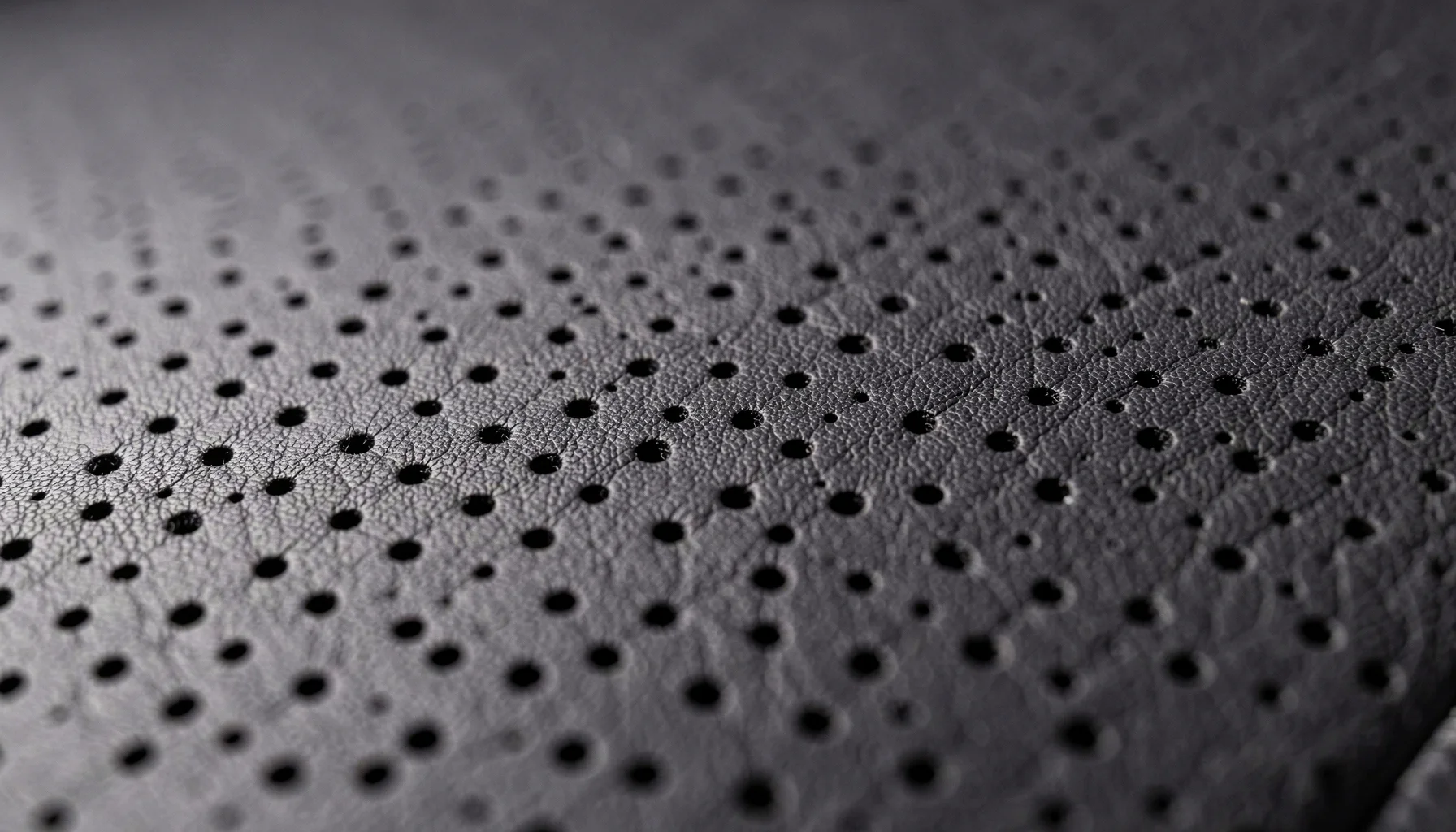 Can You Use Heated Seat Compatible Car Seat Covers? - How Heated and Ventilated Seat Covers Work
A compatible cover sits between you and the factory seat without preventing the seat’s heating elements from warming you or, where applicable, its ventilation fans from moving air. Performance depends on material, thickness, perforation, and fit—not simply on a product’s “universal” or “heated-seat compatible” label.
Factory heating elements warm the seat surface, so a thick or poorly conducting cover can slow heat transfer. Perforated eco-leather, breathable mesh, and suitably thin fabric or microfiber are potential options; the specific construction matters. Heavy neoprene and other thick, non-conductive materials may delay or block warmth.
Ventilated seats have a separate requirement: their fans need an open path for airflow. Perforations must allow air through the cover; a solid layer can obstruct ventilation and make the cooling function ineffective. A cover that works with seat heating is not automatically suitable for ventilated seats.
A properly selected cover can help shield factory upholstery from everyday wear, children, or pets while preserving climate-control use. It can also change the cabin’s appearance. These benefits depend on verified fit and construction, rather than broad marketing claims.
How to Choose and Install a Compatible Cover
Choose a cover based on the vehicle’s seat features and configuration. Custom-fit designs are made for a specified year, make, model, and trim and generally align more closely with seat contours and factory features. Universal-fit covers may leave excess material or gaps; shifting can reduce heat transfer and create a safety concern.
| Technical factor | What to verify | Practical implication |
|---|---|---|
| Heated-seat material | Thin or breathable construction; product information on heat compatibility | Thick, non-conductive layers can slow or block warmth |
| Ventilated-seat airflow | Perforations that allow air to pass through | Non-perforated covers can obstruct the fans |
| Vehicle fit | Compatibility with the exact year, make, model, trim, and seat configuration | Poor alignment or excess fabric can affect function and stability |
| Side-airbag area | Dedicated construction around seat-mounted side airbags | The cover must not interfere with airbag deployment |
| Anchoring | Secure straps, buckles, or elastic anchors | A firmly fitted cover is less likely to shift during use |
| Supplemental heating | Power source, controls, and any stated safety features | These are separate from the vehicle’s factory heating system |
Use this practical workflow before and during installation:
- Identify seat functions. Check whether the seats are heated, ventilated, or both, and note the vehicle’s seat configuration.
- Check product-specific fitment. Confirm the cover is intended for that vehicle and seat layout. Do not rely on a generic “universal” claim alone.
- Review material and construction. For heated seats, look for information about heat transfer. For ventilated seats, check that the seating surface is perforated and allows airflow.
- Inspect airbag provisions. Make sure the product has appropriate construction around seat-mounted side-airbag zones. For more on this issue, see YourCarButBetter’s guide to airbag-compatible car seat covers and side-impact safety.
- Install and secure the cover. Follow the product instructions and fasten its anchors so the cover sits snugly without obstructing seat functions or safety-critical areas.
- Check operation. With the vehicle parked, test heating and ventilation settings. If warmth or airflow seems reduced, recheck the material, perforations, alignment, and installation.
Some standalone heated cushions are different from covers that transmit warmth from factory elements. They contain their own heating elements, such as wires or carbon-fiber mats, and may plug into a 12-volt power source. Their power draw and safety features vary by model; some include an automatic shutoff. Follow the product’s instructions and do not assume it works with the vehicle’s factory system in the same way.
Practical Recommendations and FAQs
YourCarButBetter recommends treating compatibility as a combination of material, fit, airflow, and safety, not as a single label. For heated seats, prioritize a construction that does not create a thick barrier. If the vehicle also has ventilated seats, verify perforation and airflow specifically; a heating-compatible cover may still block cooling.
Before purchase, look for product-specific details rather than unsupported claims such as “fits all seats.” Check vehicle and trim fitment, airbag-zone construction, anchoring, and care instructions. After fitting, confirm that the cover remains secure and does not bunch or shift during normal seat adjustment.
As of 2026, the practical decision remains product-specific: there is no single material or fit label that guarantees performance across every vehicle. YourCarButBetter’s broader car seat cover guide to fit, style, and care can help with general selection, but the vehicle’s seat features and the cover’s specifications should guide the final choice.
FAQ
Can I use a car seat cover on factory-heated seats?
Usually, if the cover’s material allows warmth to pass through and it fits securely. Thin fabrics, breathable mesh, and perforated eco-leather may be suitable, but construction varies. Check the product’s specific guidance, avoid assuming thick covers will work well, and confirm that installation does not interfere with seat-mounted side airbags.
Will a seat cover work with ventilated seats?
Only if its construction allows air to pass through to the occupant. A perforated seating surface is important because a non-perforated cover can block the seat’s ventilation fans and make cooling ineffective. Verify the product’s airflow suitability and vehicle fitment, then test ventilation after installation.