

How Sun Shades Prevent Car Dashboard Cracking Sun Damage
Posted by YourCarButBetter on
Prevent car dashboard cracking sun damage by blocking direct sunlight from reaching the dashboard through the windshield. A car auto sun shade creates an interior barrier that helps limit UV exposure and heat buildup, reducing the long-term stress that can make plastic and vinyl surfaces brittle, faded, or cracked. Consistent use is a practical form of dashboard protection for vehicles parked outdoors.
How Sun Exposure Damages a Dashboard
Dashboard cracking usually develops gradually through UV exposure and thermal cycling. Sunlight can contribute to fading, drying, and material degradation, while repeated heating and cooling place additional stress on plastic, vinyl, and other interior surfaces. Over time, these effects may leave the dashboard discolored, brittle, or more vulnerable to cracking.
A windshield allows direct sunlight into the cabin, where the dashboard can absorb solar energy for hours. This is especially relevant for commuters, families, and drivers who leave vehicles in uncovered parking areas during long work shifts. High-heat climates can intensify the problem, although the rate of degradation varies by vehicle, material, age, parking conditions, and maintenance.
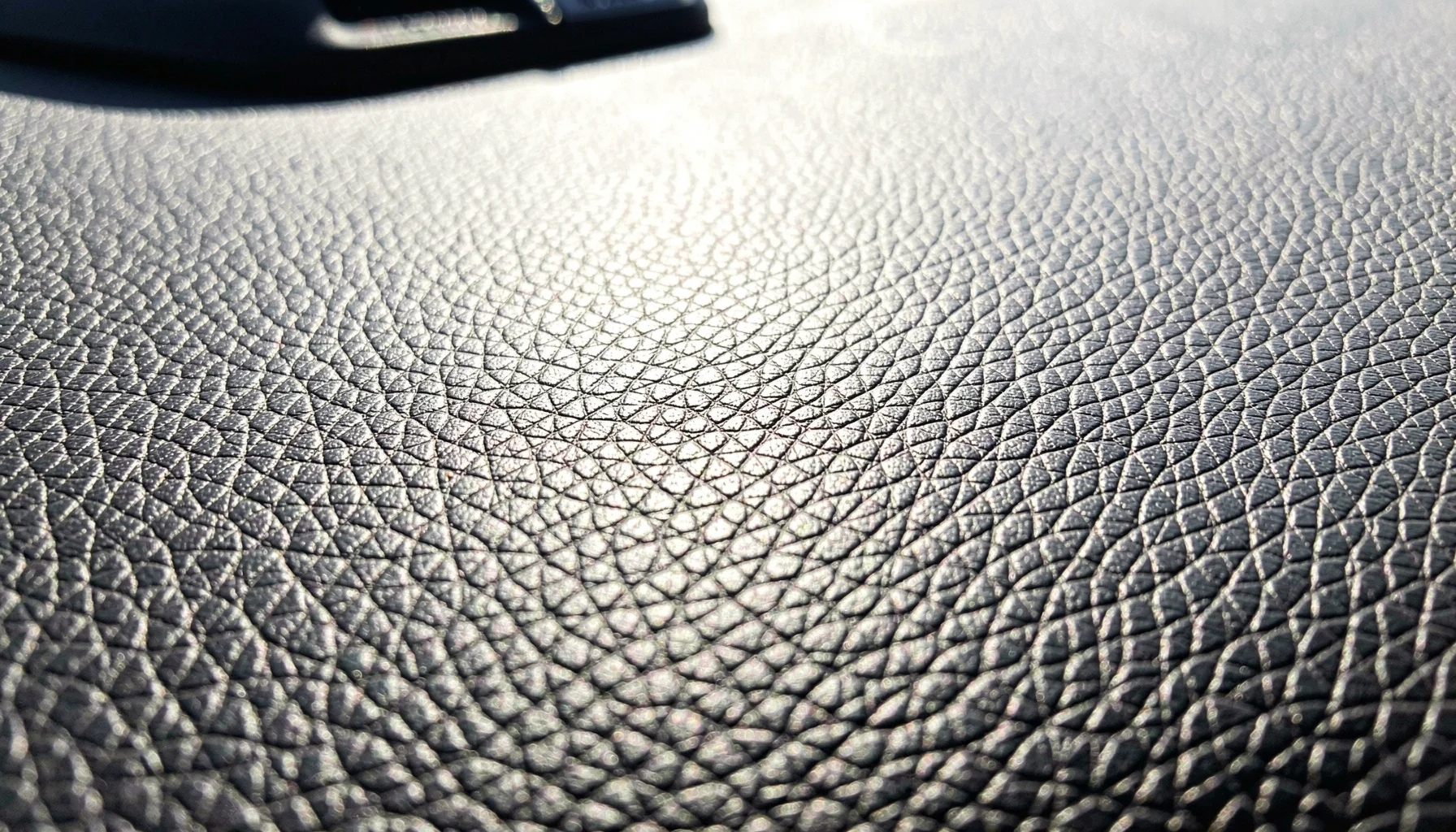 How Sun Shades Prevent Car Dashboard Cracking Sun Damage - How Sun Exposure Damages a Dashboard
A car auto sun shade is designed to sit against the interior side of the windshield. Its reflective or opaque material helps block direct sunlight and reduce the intensity of solar heat entering the cabin. It does not reverse existing damage, repair cracks, or guarantee that a dashboard will never deteriorate.
Its primary preventive benefits include:
- Helping reduce direct UV exposure to dashboard surfaces.
- Limiting heat buildup inside the parked cabin.
- Supporting the long-term appearance of plastic and vinyl components.
- Reducing the likelihood of accelerated fading and brittleness.
- Providing a low-cost, reusable protection habit for outdoor parking.
- Allowing personalization through different themes, patterns, and visual styles.
Sun shades can also improve everyday comfort by reducing the intensity of heat inside the cabin before the driver returns. However, the exact temperature effect depends on shade coverage, windshield size, weather, vehicle color, parking orientation, ventilation, and local climate. No universal heat-reduction percentage should be assumed without product-specific testing.
YourCarButBetter recommends viewing a sun shade as one part of broader interior preservation. Parking in shade when practical, keeping the windshield clean, and avoiding unnecessary exposure can complement regular shade use.
Choosing and Using a Dashboard Sun Shade
The most effective sun shade is one that provides suitable windshield coverage and can be deployed consistently. Before purchasing, compare the product’s stated dimensions or sizing information with the vehicle’s windshield. Do not assume that every shade will fit every vehicle or provide complete edge-to-edge coverage.
| Consideration | What to check | Practical purpose |
|---|---|---|
| Vehicle compatibility | Windshield dimensions and available product sizing | Supports appropriate coverage |
| Shade material | Reflective or opaque interior-use construction | Helps block direct sunlight |
| Coverage | How much of the windshield and dashboard is covered | Reduces exposed surface area |
| Deployment style | Foldable or roll-up design | Determines handling and storage |
| Securing method | Whether the vehicle’s sun visors can hold it in place | Keeps the shade positioned |
| Storage location | Glove box, door pocket, or trunk capacity | Supports convenient daily use |
| Maintenance | Whether the surface can be wiped with a damp cloth | Removes dust and debris |
What is the correct way to use a car sun shade?
Follow this streamlined workflow whenever the vehicle will remain parked in direct sunlight:
-
Select the appropriate size or style.
Identify the vehicle’s windshield dimensions and choose a shade intended to provide suitable coverage. If measurements are unavailable, review the product information carefully rather than assuming universal fitment. -
Deploy the shade after parking.
Unfold or unroll the shade and position it against the interior side of the windshield. Place it as evenly as possible so the dashboard receives consistent coverage. -
Secure it with the sun visors.
Lower the vehicle’s sun visors over the shade. This helps hold the material firmly against the glass and reduces movement caused by air movement or door operation. -
Check the dashboard coverage.
Confirm that the shade covers the main dashboard area, especially the upper surface most exposed to sunlight. Perfect coverage may not be possible in every vehicle. -
Store it when driving.
Fold or roll the shade according to its design. Store it in the glove box, door pocket, or trunk where it remains accessible for the next parking stop. -
Clean it periodically.
Wipe the shade with a damp cloth to remove dust or debris that may collect while it contacts the windshield. Allow it to dry as appropriate before storing it.
Daily consistency matters more than occasional use. A shade left in the trunk cannot protect the dashboard, so storage should be convenient enough to support regular deployment. Drivers who park outdoors for eight-hour shifts may benefit most from making shade placement part of their arrival routine.
For practical comparisons of handling and storage, YourCarButBetter also explains the differences in foldable versus roll-up car sun shades. The better design is generally the one that is easy to deploy, secure, remove, and store in the specific vehicle.
Sun shades may also support personal style. Themed designs can add visual character while serving the same basic protective purpose. For example, drivers may consider a Jurassic Park car shade when personalization is important, provided the product’s size and coverage suit the vehicle.
Practical Recommendations for 2026 Drivers
For 2026, the most reliable dashboard-protection strategy remains simple: reduce direct exposure, use a properly sized interior shade, and repeat the process whenever the vehicle is parked in strong sunlight. There is no single industry-wide percentage for UV blocking or heat reduction across all sun shades, so performance claims should be assessed only from verified product information.
YourCarButBetter recommends these practical habits:
- Use the shade before leaving the vehicle, not after the cabin has already heated for hours.
- Prioritize windshield coverage, since the windshield typically exposes the dashboard to substantial direct sunlight.
- Secure the shade with both sun visors when the product design allows it.
- Avoid stretching, folding, or rolling the material incorrectly, as poor handling can make deployment less effective.
- Keep the shade clean, since dust can interfere with smooth placement and storage.
- Inspect the dashboard periodically for fading, surface dryness, or early cracking.
- Combine shade use with shaded parking whenever that option is available.
- Follow product-specific instructions for sizing, folding, cleaning, and storage.
A sun shade is preventative rather than corrective. It cannot restore color, reverse brittleness, or repair an existing split. If a dashboard is already damaged, a qualified automotive interior specialist may be needed to assess repair or replacement options.
Material differences also matter. Some dashboards may tolerate heat and sunlight better than others, while older interiors may show deterioration sooner. Because vehicle construction and climate conditions vary, the most accurate recommendation is to focus on exposure reduction rather than promise a guaranteed service-life extension.
The strongest buying considerations are practical: appropriate windshield coverage, manageable storage, easy deployment, secure positioning, and a material suitable for interior use. Visual themes can influence personal preference, but they should not replace checking dimensions and handling requirements.
Used consistently, an auto sun shade is a straightforward way to help protect dashboard appearance and reduce the environmental stress associated with long-term sun exposure. It is particularly useful for US drivers in high-heat regions, outdoor commuters, families, and owners concerned with preserving interior condition and potential resale appeal.
FAQ
Can a car sun shade stop a dashboard from cracking?
No. A sun shade cannot guarantee that cracking will never occur or repair damage that already exists. It helps reduce direct sunlight, UV exposure, and heat buildup at the windshield, which may slow material degradation over time. Results vary according to dashboard materials, vehicle age, climate, parking conditions, and consistency of use.
Should I use a sun shade every day?
Daily use is recommended whenever the vehicle is parked in direct sunlight for an extended period. Unfold the shade against the interior windshield, secure it with the sun visors, and store it after driving. Consistent use provides a more dependable preventive routine than deploying a shade only during exceptionally hot weather.