

Universal Fit vs Semi Custom Car Seat Covers: Key Differences
Posted by YourCarButBetter on
Universal fit vs semi custom car seat covers comes down to flexibility versus control. Universal covers are the better choice for budget-conscious drivers, temporary protection, rentals, or older vehicles. Semi-custom car seat covers are better for daily drivers, families, pet owners, and fleets that want a more secure fit, improved appearance, and greater durability without paying for full-custom upholstery.
Fit, Installation, and Everyday Performance
Universal covers offer the fastest, most flexible installation, while semi-custom car seat covers provide better contouring and stability. The right option depends on how closely the cover must follow your seat shape and how often you use the vehicle.
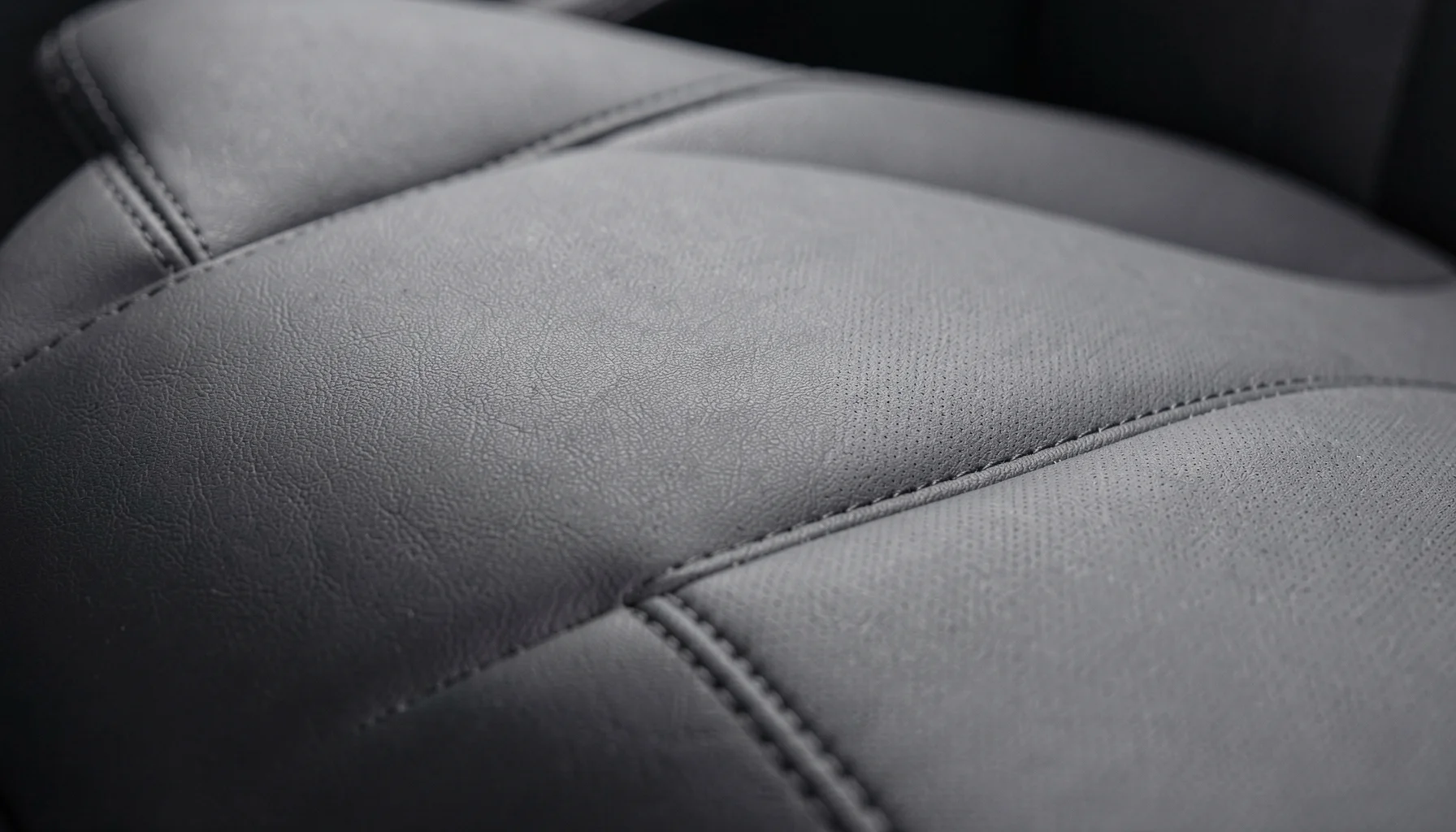 Universal Fit vs Semi Custom Car Seat Covers: Key Differences - Fit, Installation, and Everyday Performance
How different are the fitment styles?
Universal-fit covers use generic dimensions designed for a broad range of standard bucket and bench seats. Their elastic bands, hooks, and straps make installation relatively simple: slip the cover over the seat, pull it into place, and secure the attachments beneath the cushion. Installation typically takes 5–10 minutes.
That flexibility is also their main limitation. Excess fabric may bunch around the corners, sag across the seatback, or shift when passengers enter and exit. Tucking material into the seat crevices can improve the appearance, but it rarely creates a tailored look.
Semi-custom covers begin with a more specific seat configuration. Depending on the product, shoppers may need to identify the vehicle’s year, make, model, sub-model, seat style, headrest type, armrests, split-bench layout, or seat-mounted seatbelts. This extra selection step helps the cover follow the general contours of the seat more closely.
Installation usually takes 15–30 minutes. Straps, buckles, Velcro, S-hooks, or tension systems secure the cover beneath or around the seat. The result is generally less shifting and a cleaner appearance, although semi-custom covers can still have minor bunching at corners or seams. They do not typically achieve the factory-installed appearance of true custom-fit upholstery.
For a broader explanation of fit, style, and maintenance considerations, YourCarButBetter’s complete guide to car seat covers provides useful buying context.
| Criterion | Universal fit vs semi custom car seat covers | Semi custom car seat covers | Verdict |
|---|---|---|---|
| Fit precision | Generic, one-size-fits-most design; more likely to be loose or baggy | Patterned for seat categories and configurations; more contoured | Semi-custom wins for appearance and stability |
| Typical installation time | About 5–10 minutes | About 15–30 minutes | Universal wins for speed |
| Pricing benchmark | Approximately $20–$60 | Approximately $80–$200 in general comparisons; often $100–$300 per row depending on product and configuration | Universal wins on initial cost |
| Materials | Often thin polyester, mesh, or lower-grade neoprene | Common options include neoprene, canvas, ballistic nylon, leatherette, velour, and jacquard | Semi-custom offers broader durability choices |
| Attachment system | Elastic bands, generic hooks, and straps | Buckles, Velcro, tension straps, S-hooks, and frame-secured attachments | Semi-custom is usually more secure |
| Best use case | Temporary protection, rentals, older vehicles, and occasional use | Daily driving, families, pets, fleets, and work vehicles | Depends on use frequency |
| Main limitation | May slide, bunch, or cover seat features | Requires accurate fitment selection and more installation time | Neither is ideal for every seat |
| Safety consideration | Must be labeled airbag-compatible; side coverage can be hazardous | Must also be labeled airbag-compatible and correctly configured | Safety verification is essential |
Value, Durability, and Ownership Economics
Universal covers usually provide the lowest upfront cost, while semi-custom car seat covers can offer better long-term value when daily use, stability, and material durability matter.
Universal-fit pricing commonly falls around $20–$60, making this style practical when the immediate goal is basic protection. A driver covering a vehicle temporarily during construction work, moving, pet transport, or a rental period may not benefit from spending more on precise fitment. Universal covers can also be useful for older vehicles where vehicle-specific patterns are difficult to find.
However, the purchase price is only one part of the ownership calculation. A loose cover may require frequent readjustment, appear less polished, or wear faster if fabric continually shifts against the seat. If it must be replaced sooner, the initial savings may become less meaningful.
Semi-custom pricing generally begins higher. Grounded market benchmarks place many products around $80–$200, while some configurations and product lines range from $100–$300 per row. The final cost depends on the material, seating layout, coverage, and manufacturer’s fitment system.
That higher investment may be justified for a commuter, rideshare driver, fleet manager, or family vehicle used every day. More robust fastening can reduce movement, while materials such as heavy-duty canvas, ballistic nylon, neoprene, or leatherette may better suit demanding conditions. Water-resistant or wipeable options can also be practical for pets and outdoor activities, but shoppers should verify the specific product claims rather than assume every semi-custom cover has the same performance.
The value equation is therefore straightforward:
- Choose universal fit when low initial cost and fast installation matter most.
- Choose semi-custom when reduced shifting, better coverage, and longer daily usability justify the added expense.
- Compare the price per row, not only the full set price, because front and rear seating may be sold separately.
- Check cleaning instructions before purchase; many semi-custom covers are spot-clean only, and machine washing may damage backing or elastic components.
Neither style should be purchased solely on appearance. A lower-priced cover that interferes with a seat-mounted airbag creates an unacceptable tradeoff. Always confirm the manufacturer’s fitment guidance and verify that the product is labeled airbag-compatible.
Strengths, Weaknesses, and the Best Buyer Decision
Universal covers prioritize convenience and affordability; semi-custom car seat covers prioritize a more controlled fit and stronger everyday performance. YourCarButBetter recommends choosing based on seat features, driving frequency, expected mess, and the importance of a tidy interior.
Who should choose each style?
Universal-fit covers are strongest when:
- You need protection immediately.
- The vehicle is temporary, rented, older, or used for dirty work.
- You want to spend approximately $20–$60 per set or configuration.
- You do not require a close, upholstery-like appearance.
- You can spend a few minutes readjusting the cover when necessary.
Their main advantages are broad sizing flexibility, simple installation, low cost, and easy replacement. Their weaknesses include potential sliding, bunching, limited contouring, and possible interference with seat functions if the design is not appropriate.
Semi-custom car seat covers are strongest when:
- You drive daily and want the cover to stay in place.
- You need a better match for bucket seats, split benches, adjustable headrests, or armrests.
- You are protecting an interior from pets, children, work gear, mud, sand, or frequent passenger use.
- You want more material choices, such as neoprene, canvas, leatherette, velour, or jacquard.
- You are managing fleet vehicles or trying to improve the appearance of worn upholstery.
Their main advantages are moderate contouring, more secure fastening, stronger material options, and a more organized appearance. Their weaknesses are higher cost, longer installation, more complicated fitment selection, and the possibility of minor wrinkles or gaps.
Before ordering either style, follow this process:
- Identify the seat configuration. Note headrests, armrests, seat-mounted belts, split benches, captain’s chairs, and side airbags.
- Check the fitment guide. Semi-custom products require accurate vehicle and seat information; universal covers still require confirmation that the seat type is supported.
- Verify safety compatibility. Do not use a cover that blocks or encloses a seat-mounted side-impact airbag.
- Review installation requirements. Straps must not interfere with power-seat tracks, wiring, or moving mechanisms.
- Match the material to the use case. Select easier-cleaning materials for pets and spills, or heavier-duty options for work and outdoor use.
- Read the care instructions. Spot cleaning is common for semi-custom designs, and machine washing may not be recommended.
In short, universal covers are the practical choice for occasional, low-cost protection. Semi-custom car seat covers are the stronger choice for owners who spend more time in their vehicle and want improved stability, coverage, and presentation. Neither replaces full-custom upholstery, but semi-custom designs provide a useful middle ground between generic protection and precision tailoring.
FAQ
Are semi-custom car seat covers better than universal-fit covers?
Semi-custom car seat covers are generally better for daily driving because they follow common seat contours more closely and use stronger fastening systems. Universal covers remain useful when affordability, fast installation, temporary protection, or broad compatibility matters most. The better choice depends on your seat configuration, driving frequency, budget, and desired appearance.
Can either cover interfere with side-impact airbags?
Yes, an incompatible cover can interfere with a seat-mounted side-impact airbag. Before installation, confirm that the product is specifically labeled airbag-compatible and follow the manufacturer’s fitment instructions. Never assume a universal or semi-custom design is safe simply because it fits over the seat.