

Personalized Car Interior Accessories: Match Seat Covers
Posted by YourCarButBetter on
Personalized car interior accessories can make a cabin feel more coordinated while helping protect frequently used surfaces. Start with seat covers as the visual anchor, then choose a steering wheel wrap and console pad that complement their colors, patterns, and materials. Before buying, check each item’s vehicle fit, installation needs, and care instructions—especially where accessories meet controls or moving parts; for floor mats, learn how retention clips help keep them secure.
What Makes Interior Accessories Feel Coordinated?
Personalized car interior accessories are items chosen to reflect a driver’s style and suit everyday needs. A coordinated setup connects seat covers with details such as a steering wheel wrap and console pad, using a shared color, pattern, or themed car decor rather than requiring every piece to match exactly.
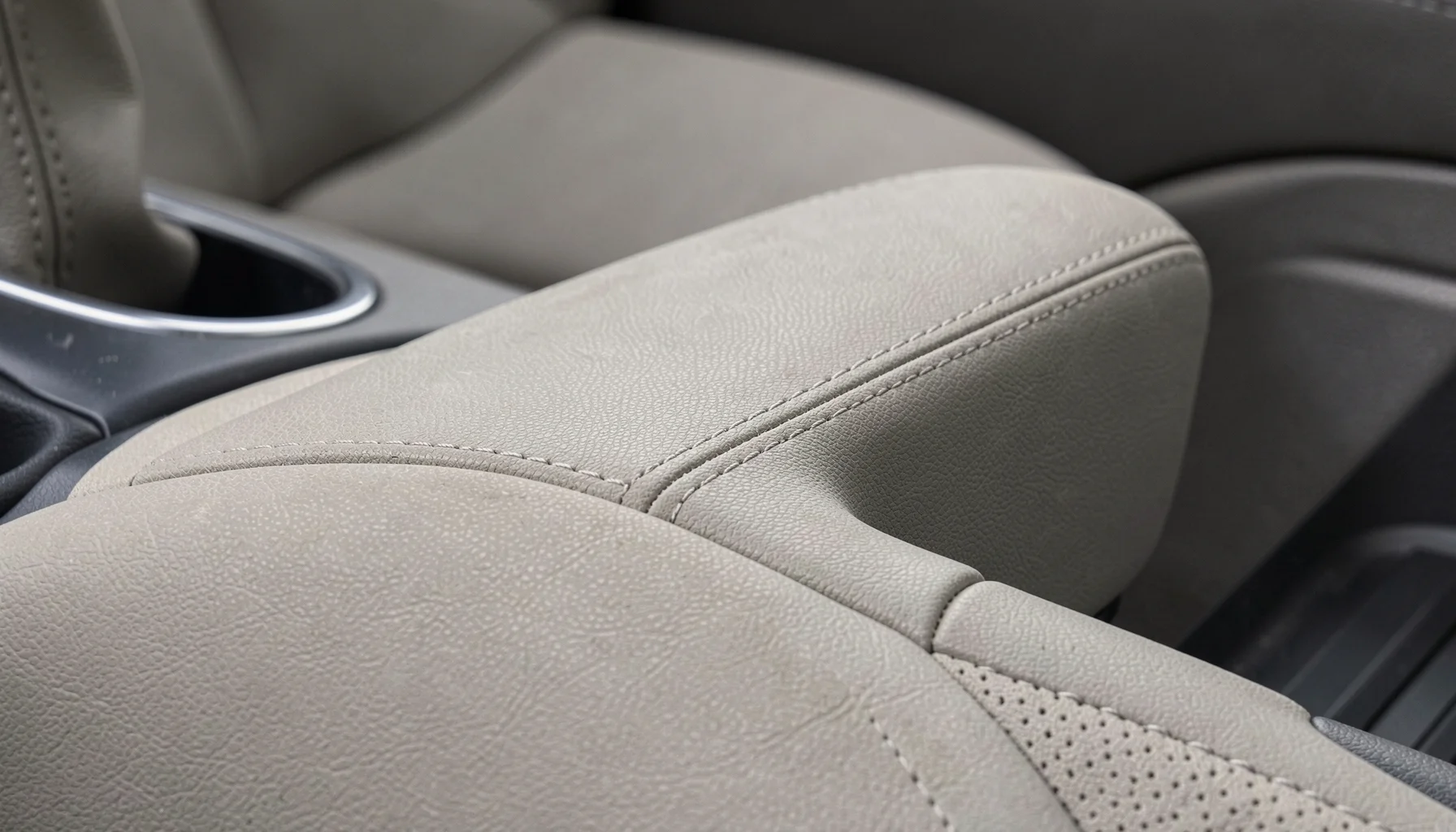 Personalized Car Interior Accessories: Match Seat Covers - Coordinated design elements in personalized car interior accessories
Seat covers often have the greatest visual impact because they occupy a large area of the cabin. Smaller accessories can echo one or two details from the covers—such as a color accent or motif—to create visual continuity without making the interior feel crowded.
The practical benefits are personalization and surface coverage. Seat covers can help shield original upholstery from daily wear, dirt, and spills; console pads may cover a frequently touched area, while a steering wheel wrap changes the wheel’s look and feel. The protection each item provides depends on its construction, fit, and care—not simply its appearance.
What should match—and what can differ?
Choose a clear design direction, then vary the details thoughtfully. For example, patterned seat covers can pair with a solid-color steering wheel wrap and a console pad that repeats one color from the pattern. If every accessory has a bold print, the combined effect may compete for attention.
Consider these elements together:
- Color: Repeat one or two tones rather than trying to match every shade exactly.
- Pattern: Let one item carry the main print; use simpler designs elsewhere.
- Material and texture: Compare how the surfaces look and feel, and review their cleaning instructions.
- Cabin layout: Check that an accessory suits the area where it will be used and does not interfere with ordinary vehicle operation.
A theme can be playful, seasonal, character-based, or understated. The useful test is whether the pieces look intentional together and work for the way the vehicle is used.
How Do You Choose and Coordinate the Pieces?
A good selection process starts with the vehicle and the driver’s priorities, then checks each accessory individually. Compatibility, placement, installation, and care matter as much as color coordination; appearance alone cannot confirm that an item will suit a particular seat, wheel, or console.
| Accessory | What to compare | Practical check |
|---|---|---|
| Seat covers | Color, pattern, material, and stated vehicle compatibility | Confirm the listing’s fitment details and review installation and care instructions |
| Steering wheel wrap | Color, texture, and stated wheel compatibility | Check the product information for the intended wheel size or fit; do not assume a fit |
| Console pad | Shape, coverage, material, and stated compatibility | Compare the listed fitment with the console layout and check that normal access is maintained |
Use this streamlined workflow before purchasing or installing:
- Identify the visual anchor. Choose the seat covers first if they will define the cabin’s main color or pattern. If you already own a prominent accessory, use that as the starting point instead.
- Check compatibility details. Compare the product’s stated vehicle or component fitment with your vehicle. Do not infer fit from a similar model name or appearance.
- Build a restrained palette. Select one or two supporting colors. Use a simpler wrap or pad when the seat covers already have a strong pattern.
- Review installation and care. Read the instructions for every item. Cleaning methods can differ by material, so avoid assuming that one product’s care routine applies to another.
- Install and inspect. Follow the product instructions and confirm that accessories stay in their intended positions and do not obstruct controls or normal vehicle use. If fit is uncertain, pause and consult the seller or vehicle documentation.
YourCarButBetter’s practical approach is to treat style and fitment as separate checks: a coordinated color scheme does not establish vehicle compatibility. For broader context on material considerations, see our guide to emerging materials in car floor mats and seat covers.
What Is the Practical Recommendation for 2026?
For a cohesive cabin, select accessories by fit and intended use first, then coordinate their appearance. In 2026, the same grounded approach remains useful: compare product details carefully, favor a consistent visual theme over an exact-match set, and avoid assuming performance or compatibility claims that the product information does not support.
A few practical tips help keep the result considered and usable:
- Choose a focal point. Seat covers can set the theme; let smaller accessories support rather than overpower it.
- Balance visual weight. Pair a busy pattern with simpler surrounding pieces, or use a repeated accent color to connect solid items.
- Think about daily use. Consider who uses the vehicle, which surfaces see frequent contact, and how much cleaning the materials may require.
- Check fit before styling. Confirm the stated compatibility for each component independently. A steering wheel wrap or console pad should not be selected on appearance alone.
- Keep care instructions. Different materials may need different cleaning methods. Follow each product’s guidance instead of applying a single routine to the whole cabin.
There is no verified universal percentage or benchmark that determines how many colors or patterns make an interior look coordinated. The more reliable test is practical: the accessories suit the vehicle, work for the driver’s routine, and create a visual connection without making the cabin harder to use or maintain.
FAQ
Do seat covers, a steering wheel wrap, and a console pad need to match exactly?
No. They can look coordinated through a shared color, pattern, or theme without being identical. A simple approach is to make the seat covers the visual anchor, then repeat one accent in the wrap or pad. Check each item’s compatibility and care details separately.
What should I check before installing coordinated interior accessories?
Review the stated fitment for each item and follow its installation instructions. After installation, check that accessories remain in place and do not obstruct controls or normal vehicle use. Also read the care guidance, since cleaning methods can vary between materials.