

Waterproof Car Seat Covers for Spill Protection: Active Use
Posted by YourCarButBetter on
Waterproof car seat covers for spill protection add a barrier between original upholstery and liquids, mud, food, or pet messes, making them a practical option for keeping light-colored car seats clean. They can be useful for active commuters, families with children, and drivers who regularly carry wet gear or animals. Their effectiveness depends on the cover’s materials and construction, so check the product’s stated liquid resistance, fit, and safety compatibility before buying.
How Waterproof Seat Covers Help With Everyday Messes
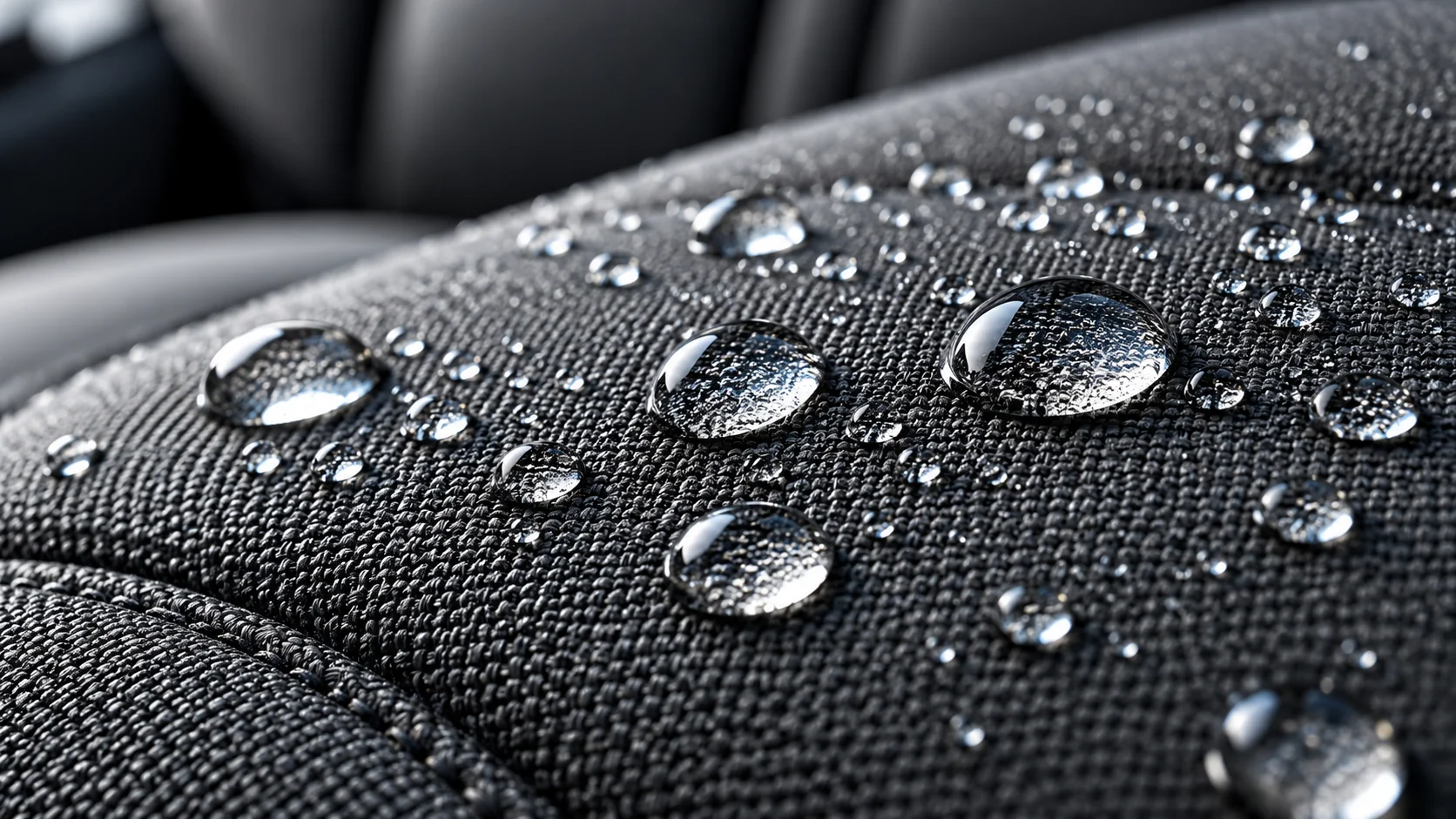 Waterproof Car Seat Covers for Spill Protection: Active Use - How Waterproof Seat Covers Help With Everyday Messes
Waterproof seat covers are protective layers designed to limit liquid and debris reaching a vehicle’s original upholstery. For a commuter with a damp jacket, a parent dealing with a spilled drink, or a pet owner transporting a muddy dog, that extra layer may make cleanup easier and help reduce the risk of stains.
The word waterproof does not guarantee that every cover will block every liquid in every situation. Performance depends on the specific materials and how the cover is made. Some covers use synthetic fabrics or treated textiles; others may use vinyl-based materials or a barrier layer such as a polyurethane coating. These are possible material approaches, not a guarantee of performance. Check the product details for the specific material and its stated resistance to liquid penetration.
Consider the likely messes in your vehicle when comparing options:
- Food and drinks: A cover can help shield upholstery from accidental spills, but address a spill promptly rather than letting liquid sit.
- Wet clothing or gear: A barrier may be useful after a rainy commute, outdoor activity, or trip to the gym.
- Pets: Covers can help manage moisture and debris from animals, but check that the cover stays secure and does not obstruct buckles or controls.
- Children: For frequent snack and drink spills, prioritize a surface that can be cleaned according to its care instructions.
A protective cover is not a substitute for cleaning the vehicle seat. Liquids can collect at seams or edges, and a poorly positioned cover may leave parts of the seat exposed. For broader guidance on choosing and maintaining covers, see this complete guide to car seat covers.
What to Check Before Buying and How to Install
The most useful comparison is not simply “waterproof” versus “not waterproof.” Look at the stated material, cleaning method, attachment points, vehicle compatibility, and whether the design works with your seat’s safety features.
| What to check | Why it matters | Practical question |
|---|---|---|
| Material and liquid resistance | Protection varies by material and product construction. | Does the product description specify the material and its resistance to liquid penetration? |
| Cleaning instructions | Some covers require spot cleaning; others may have different care instructions. | Is the listed cleaning method practical for your routine? |
| Straps, hooks, or buckles | Secure attachments help keep a cover in place during use. | Can you fasten it firmly without blocking buckles or controls? |
| Vehicle fitment | A cover labeled waterproof is not necessarily a universal fit. | Is it compatible with your vehicle’s make, model, year, and seat layout? |
| Side-impact airbag compatibility | Seat-mounted airbags must be able to deploy properly. | If your seat has an integrated airbag, is the cover specifically designed for that setup? |
| Seat adjustments | Covers must not impede electronic seat controls or adjustments. | Can you adjust the seat and access controls after installation? |
Before installation, clear debris from the seat and remove the headrest if needed. Align the cover with the seat base and backrest, keeping straps and attachment points accessible. Fasten the supplied straps, hooks, or buckles underneath or behind the seat as directed, then smooth out wrinkles.
Finish by checking that the seat belt buckle is accessible and that the cover does not interfere with controls or seat movement. If your vehicle has a seat-integrated side-impact airbag, use only a cover specifically designed to allow proper deployment. If compatibility is unclear, do not assume the cover is safe to use.
Care Tips for Commuters, Families, and Pet Owners
A spill barrier works best when it is installed securely, cleaned correctly, and checked regularly. YourCarButBetter’s practical guidance is to treat material claims and fitment as product-specific: the label “waterproof” alone does not tell you how a cover should be cleaned or whether it suits your vehicle.
When a spill happens, blot rather than rub. Use an absorbent cloth to lift liquid from the surface; rubbing may push it into seams or toward the upholstery. Then follow the manufacturer’s care instructions. Avoid assuming a cover is machine washable unless its instructions say so.
Build these simple habits into your routine:
- After a spill: Blot promptly and clean the cover using the method specified by the manufacturer.
- During regular cleaning: Remove the cover periodically and vacuum the seat underneath. This helps clear debris that can collect between the cover and upholstery.
- After transporting a pet or wet gear: Check that the cover has stayed in place and that the seat, seams, and area around buckles are clean and dry.
- After adjusting or reinstalling the cover: Confirm that seat belts, controls, and seat adjustments remain unobstructed.
For families, easy cleaning and dependable attachment points may matter more than a particular color or pattern. Pet owners may want to consider how often the cover will need attention and whether its care instructions fit that routine. Commuters should think about repeated exposure to wet clothing or gear, not just occasional drink spills.
No cover should be treated as a guarantee against all stains or moisture reaching the seat. Check it periodically for shifting, keep the underlying upholstery clean, and reassess the fit if the seat or cover moves during use. Most importantly, never compromise airbag compatibility for added coverage.
FAQ
Do polyurethane-coated seat covers stop every spill?
Not necessarily. A polyurethane coating may be used as a barrier layer, but the term alone does not establish how much liquid a particular cover can resist. Check the product’s material details and stated performance, and clean spills promptly. Liquid may still reach seams, edges, or uncovered areas depending on the design and fit.
Can I use a waterproof cover on a seat with a side-impact airbag?
Only if the cover is specifically designed to allow the seat-mounted airbag to deploy properly. Also confirm that the cover does not block seat belt buckles, electronic controls, or seat adjustments. If the product information does not clearly address compatibility with your vehicle’s integrated airbag, do not assume it is suitable.