

Polyester vs. Neoprene Seat Covers: Neoprene Car Seat Covers Compared
Posted by YourCarButBetter on
For most budget-conscious commuters in hot climates, polyester seat covers offer better value and airflow; for pet owners, outdoor enthusiasts, and drivers facing frequent spills or mud, neoprene car seat covers provide stronger moisture and wear protection, while waterproof covers for spill protection are another option to consider. Neoprene costs more and needs gentler care, so the right choice depends on what your seats encounter day to day.
Core Performance and Daily Wear
Polyester and neoprene differ most in how they handle moisture, airflow, and repeated use. Polyester is a woven textile that generally feels more breathable; neoprene is a denser synthetic rubber material designed to resist water and take on tougher wear.
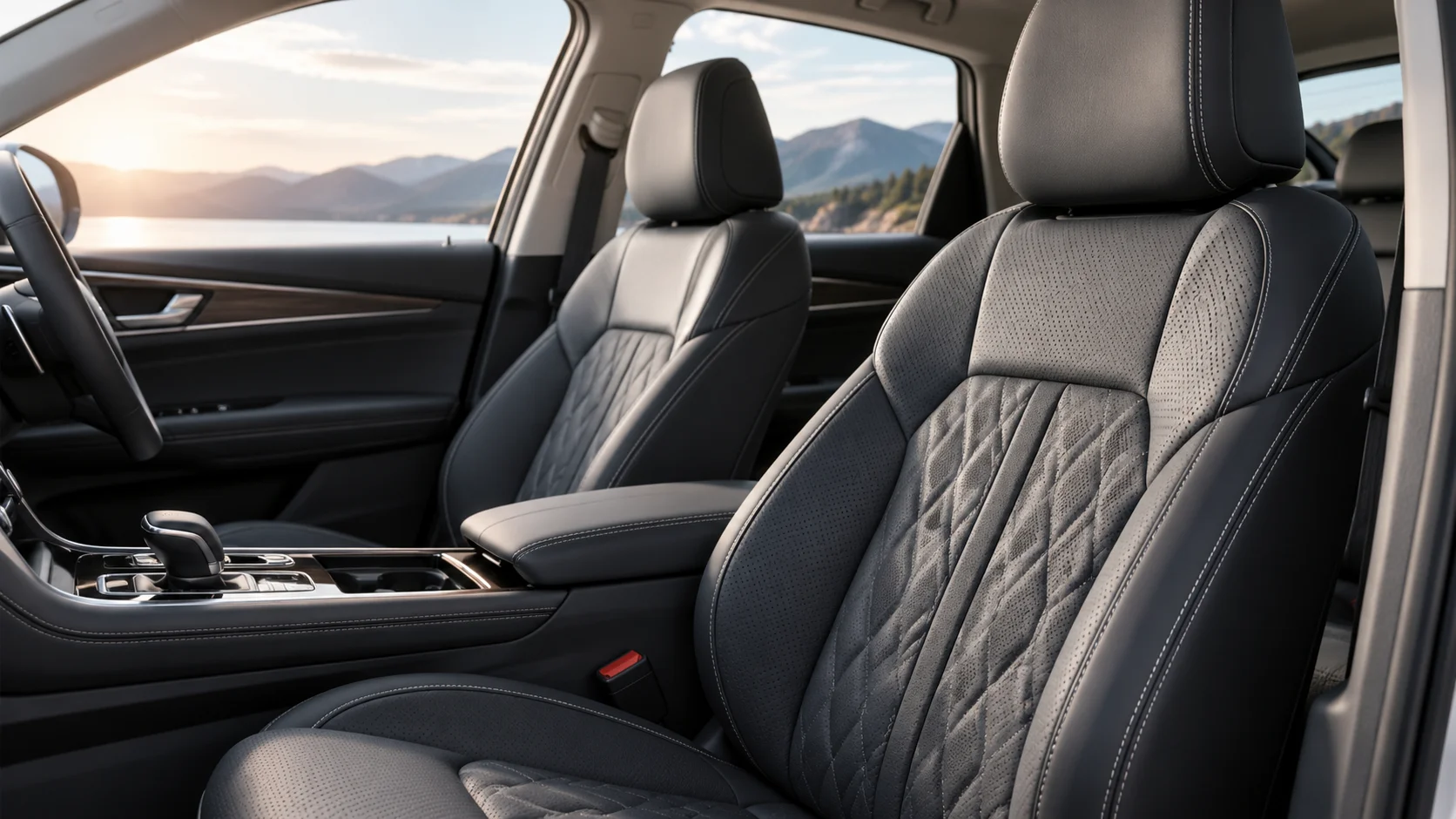 Polyester vs. Neoprene Seat Covers: Neoprene Car Seat Covers Compared - Core Performance and Daily Wear
| Criterion in English | polyester vs neoprene seat covers | neoprene car seat covers | Verdict in English |
|---|---|---|---|
| Typical US price | Polyester covers: $40–$180+ | Neoprene covers: $150–$400+ | Polyester costs less upfront. |
| Material and feel | Woven synthetic textile; commonly made in twill, basketweave, or ripstop styles | Synthetic rubber, sometimes made as a laminated material with a textile backing and top layer | Polyester is more fabric-like; neoprene is denser. |
| Water and spill protection | Usually absorbs liquid unless treated or coated | Highly water-resistant; genuine neoprene is described as waterproof | Neoprene is the stronger choice for frequent wet messes. |
| Airflow and heat | Woven construction generally allows more airflow | Denser construction can retain more heat | Polyester usually suits hot-weather commuting better. |
| Resistance to daily wear | Moderate durability; may pill or wear at stress points over time | Strong abrasion and tear resistance | Neoprene better suits high-traffic use. |
| Cleaning | Many polyester covers can be machine-washed gently in cold water; avoid fabric softener | Clean with mild detergent and a soft brush; do not machine-wash or tumble-dry | Polyester is easier to wash; neoprene requires more careful cleaning. |
| Fit and features | Fit, pockets, and other details depend on the individual cover | Universal and vehicle-specific options exist; features vary by product | Check the specific product rather than assuming included features. |
For ordinary commuting, polyester’s breathability can matter more than maximum spill resistance. It is a practical option when the main concerns are dust, everyday contact, and keeping upholstery covered without spending as much.
Neoprene makes more sense when wet gear, muddy paws, or repeated spills are part of the routine. Its water resistance helps protect the underlying upholstery, while its resistance to abrasion and tearing can be useful on frequently used seats. However, the added density may feel warmer, especially in a hot cabin.
Daily wear also depends on fit and construction, not just the fiber or rubber. A loose cover can bunch or shift, and a material’s general properties do not guarantee how a particular product performs. Check the listed vehicle compatibility, care instructions, and any seat-function or airbag-compatibility information before buying.
Value for Money and Cleaning Costs
Polyester generally has the lower entry price, while neoprene’s higher cost can be worthwhile if its water resistance and durability address regular problems. Compare the purchase price with how often the covers will face messes and how easily you can maintain them.
The supplied US market ranges are $40–$180+ for polyester and $150–$400+ for neoprene. These are broad benchmarks, not quotes for a specific brand, vehicle, or set. Fit, construction, and included pieces vary, so compare like-for-like products and confirm what the price covers.
A lower purchase price does not automatically mean better value if the material is poorly suited to your routine. For a dry daily commute, polyester’s airflow and lower cost may be the more useful combination. If a household regularly transports pets, wet sports equipment, or muddy outdoor gear, neoprene’s water resistance may help prevent recurring upholstery cleanup and damage.
Cleaning is another part of ownership cost—especially in time and effort. Many polyester covers can be washed on a gentle cycle with cold water and mild detergent, then tumble-dried on low heat, if the product’s care label permits it. Avoid fabric softeners, which can coat the fibers and reduce breathability and stain resistance.
Neoprene needs a gentler approach: wipe it with a pH-neutral cleaner, or use lukewarm water, mild detergent, and a soft brush for deeper cleaning. Avoid alcohol, acetone, and citrus solvents. Air-dry it flat; machine washing, hanging, or tumble-drying can damage the backing or cause delamination.
For a buyer who values easy laundry, polyester may be more convenient. For someone who needs a water-resistant barrier and is willing to clean by hand, neoprene may justify the higher upfront spend. Read the specific care label before washing either material, because product construction can vary.
Strengths, Weaknesses, and Which Should You Choose?
Choose polyester for a breathable, lower-cost cover in mostly dry conditions. Choose neoprene car seat covers when frequent moisture, outdoor use, pets, or heavier wear make protection the priority—and you are comfortable with a higher price and more careful cleaning.
Polyester strengths
- Lower typical price than neoprene.
- Woven construction generally offers better airflow.
- Often easier to clean, with gentle machine washing possible when the care label allows it.
- Available in different weaves and styles.
Polyester limitations
- Usually absorbs liquid unless coated or treated.
- May pill or fatigue at high-stress points over time.
- Fabric softener can reduce breathability and stain resistance.
Neoprene strengths
- Resists water and helps shield upholstery from spills and wet gear.
- Offers strong resistance to abrasion and tearing.
- Useful for pets, outdoor activities, and high-traffic vehicles.
Neoprene limitations
- Costs more across the supplied market ranges.
- Its denser construction may retain more heat.
- Requires careful cleaning and air-drying rather than machine washing.
Your routine should decide the trade-off. A commuter who mostly drives alone in a warm climate may prefer polyester’s airflow and simpler laundering. A parent managing spills, a pet owner, or someone carrying damp hiking or sports gear may get more practical benefit from neoprene’s water resistance.
Before purchasing, confirm that the cover fits your specific vehicle and seat configuration. Universal and vehicle-specific options differ, and features such as headrest coverage, pockets, and access to seat controls vary by product. If your vehicle has side airbags or heated or cooled seats, check the manufacturer’s product information for compatibility rather than assuming a material alone makes a cover suitable.
As YourCarButBetter’s practical buying guidance, treat material as one part of the decision: match it to the messes you expect, then verify fit and care requirements. For a closer look at the protection and comfort trade-offs, see our guide to neoprene car seat covers.
FAQ
Are neoprene car seat covers better than polyester for everyday use?
Not for every driver. Neoprene is better suited to frequent spills, wet gear, pets, and heavier wear, while polyester generally offers more airflow and a lower typical price. For a mostly dry commute in a hot climate, polyester may be the more comfortable and cost-effective choice.
Can you machine-wash polyester and neoprene seat covers?
Many polyester covers can be machine-washed gently in cold water and dried on low heat, but follow the product’s care label. Neoprene should not be machine-washed or tumble-dried; clean it with mild detergent and a soft brush, then air-dry it flat.