

Neoprene Car Seat Covers: Waterproof Comfort Explained
Posted by YourCarButBetter on
Neoprene car seat covers add a vehicle-specific protective layer over factory upholstery, helping block moisture, spills, dirt, and everyday wear. Made from closed-cell neoprene—the material used in professional-grade wetsuits—they’re a practical option for active drivers, pet owners, and families. Fit, correct airbag provisions, and careful installation are essential to getting protection without compromising seat function; learn how to install car seat covers while following the cover maker’s fit and airbag instructions.
What neoprene seat covers do—and why the material matters
Neoprene car seat covers use a closed-cell structure that helps prevent liquid from soaking through to seat foam, a useful point of comparison when considering how neoprene compares with leather. They’re designed to protect factory upholstery while adding a form-fitting layer suited to drivers who regularly encounter wet gear, muddy paws, food spills, or workwear grime, while drivers looking for a rugged alternative can compare canvas car seat covers.
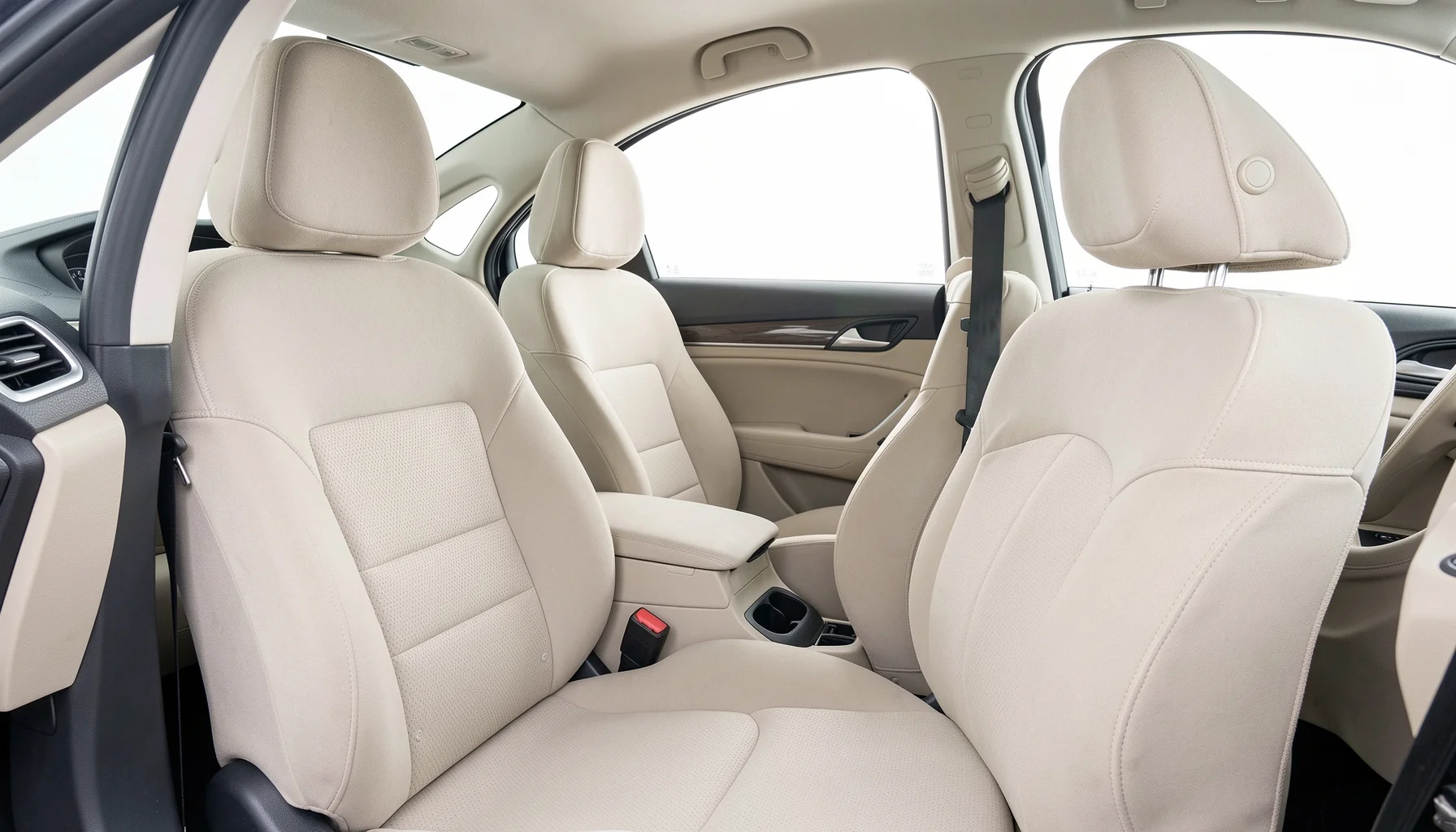 Neoprene Car Seat Covers: Waterproof Comfort Explained - What neoprene seat covers do—and why the material matters
Unlike a loose universal cover, a custom-fit cover is made for a particular vehicle’s make, model, year, trim, and seat configuration. This closer match helps the cover follow the seat’s contours and stay in position when secured with straps, buckles, and Velcro-style attachments.
How does neoprene help protect a car’s interior?
The material’s main benefit is its resistance to moisture. Its closed-cell construction helps keep spills and dampness from reaching the factory upholstery, though owners should still clean up liquid promptly rather than letting it sit on the cover.
Neoprene also has useful thermal properties: compared with leather or vinyl, it tends to stay cooler in summer and warmer in winter. Its tensile strength and resistance to abrasion can help it stand up to regular entry and exit, but no cover is indestructible; care and fit still matter.
Common use cases include:
- Outdoor activities: Swimmers, surfers, and hikers can protect seats from wet or sandy gear.
- Pets: Covers help shield upholstery from hair, muddy paws, and claw-related wear.
- Family use: A protective layer can help manage food and drink spills around child seats.
- Work use: Tradespeople can reduce exposure to grime from heavy-duty clothing.
- Interior refresh: A fitted cover can conceal worn factory upholstery without reupholstering the seat.
For help comparing fit, materials, and care considerations across cover types, see YourCarButBetter’s complete guide to car seat covers.
Specifications, fitment, and installation
Neoprene covers combine moisture protection with vehicle-specific fit and attachment points. Before ordering, verify the vehicle and seat details carefully; before installation, check that the cover’s design is compatible with the vehicle’s side-impact airbags.
| Feature | What to expect | Practical consideration |
|---|---|---|
| Material | High-grade, closed-cell neoprene | Helps prevent liquids from soaking into seat foam |
| Temperature behavior | Naturally resistant to temperature extremes | Tends to feel cooler in summer and warmer in winter than leather or vinyl |
| Wear resistance | High tensile strength; resistant to tearing and abrasion | Useful for frequent entry and exit, but inspect for wear over time |
| Fit | Tailored to vehicle make, model, year, and seat configuration | Confirm trim and seat details; this is not a universal-fit product |
| Airbag provisions | Breakaway stitching or specific openings, depending on design | Verify compatibility and never block a deployment area |
| Fastening | Heavy-duty straps, buckles, and Velcro-style attachments | Correctly routed fasteners help limit shifting |
| Cleaning | Damp cloth and mild soap | Machine washing is generally discouraged to protect the neoprene backing |
| Appearance | Solid colors or two-tone patterns | Choose a style that suits the vehicle interior |
Practical ordering and installation workflow
- Identify the vehicle. Enter its year, make, model, trim, and seat configuration. Check details such as manual versus power seats and integrated seatbelts; contact customer service if you’re unsure.
- Choose coverage and style. Select the color scheme and the row coverage you need, such as front seats or a full interior set.
- Prepare the seats. Remove headrests and clear debris from the seat tracks. A clean installation area makes it easier to position and secure the cover.
- Fit the cover. Slip it over the seat back and bottom cushion. Feed the straps through the seat crevices—the junction, or “bight,” between the cushion and backrest—and secure the buckles beneath the seat frame.
- Finish and check. Reattach the headrests and fit their covers. Confirm the cover sits securely, doesn’t interfere with seat controls or belts, and leaves airbag provisions unobstructed.
A close fit should not come at the expense of safety. If the cover bunches around a deployment area or a seat feature, stop and verify the product’s fitment and installation instructions before driving.
Who should choose neoprene—and what to consider in 2026
Neoprene is a strong option for drivers who prioritize a moisture-resistant barrier and a fitted look, particularly if wet gear, pets, children, or work clothes regularly enter the vehicle. YourCarButBetter’s practical recommendation is to start with accurate fitment and airbag compatibility, then choose the coverage and style that match your routine.
In 2026, preserving factory upholstery remains a practical reason to use seat covers: keeping original fabric or leather in better condition may support a cleaner interior when it’s time to sell or trade in. Covers can also refresh the appearance of worn seats without the expense of professional reupholstery. These are practical goals, not guaranteed resale outcomes.
Before ordering, consider these tips:
- Match the seat configuration exactly. Trim-level differences can affect seat shape, controls, and other details.
- Prioritize safety compatibility. Choose a design with appropriate airbag stitching or openings for your vehicle, and follow its installation guidance.
- Choose coverage around your habits. Front-row-only coverage may suit a solo commuter; active households may prefer broader coverage.
- Clean gently. Wipe with a damp cloth and mild soap. Avoid machine washing unless the product instructions specifically allow it; machine washing is generally discouraged for neoprene covers.
- Recheck fit periodically. Make sure straps remain secure and the cover hasn’t shifted around seat controls or airbag areas.
There is no single percentage that can reliably predict how much a cover will extend upholstery life or increase resale value; results depend on use, care, and the vehicle. Choose neoprene for its material properties and your real protection needs, rather than expecting a quantified outcome.
FAQ
These quick answers cover two common buying and care questions.
Are neoprene car seat covers fully waterproof?
Closed-cell neoprene is designed to keep liquids from soaking through to the seat foam, making it a useful barrier against spills and damp gear. Protection depends on correct fit and installation, so clean up liquid promptly and confirm the cover is properly positioned rather than treating it as a substitute for basic care.
Can I put neoprene car seat covers in the washing machine?
Machine washing is generally discouraged because it may compromise the neoprene backing. For routine care, wipe the cover with a damp cloth and mild soap. Follow the specific product’s care instructions, and check that the cover remains securely fitted after cleaning before using the vehicle.
Share this post
- Tags: neoprene car seat covers