

Leather vs Neoprene Car Seat Covers: Pros & Comfort
Posted by YourCarButBetter on
For leather car seat covers vs. neoprene car seat covers, leather is the better choice for a premium look and natural feel, while neoprene is better for water resistance and rugged, easy-clean protection. Your climate, daily routine, and willingness to maintain the material should decide the winner: leather needs conditioning and can heat up or chill, while neoprene can feel less breathable on long, hot drives, so breathable mesh seat covers may be worth considering in warm weather. For another way to manage sun exposure, explore the latest UV-protection trends in car window shades.
Leather vs Neoprene Car Seat Covers: Performance and Care
Leather prioritizes a refined appearance and natural feel; neoprene prioritizes moisture protection and practical durability. Neither is best for every driver: heat, exposure to spills, comfort preferences, and upkeep all affect which material performs better in your car.
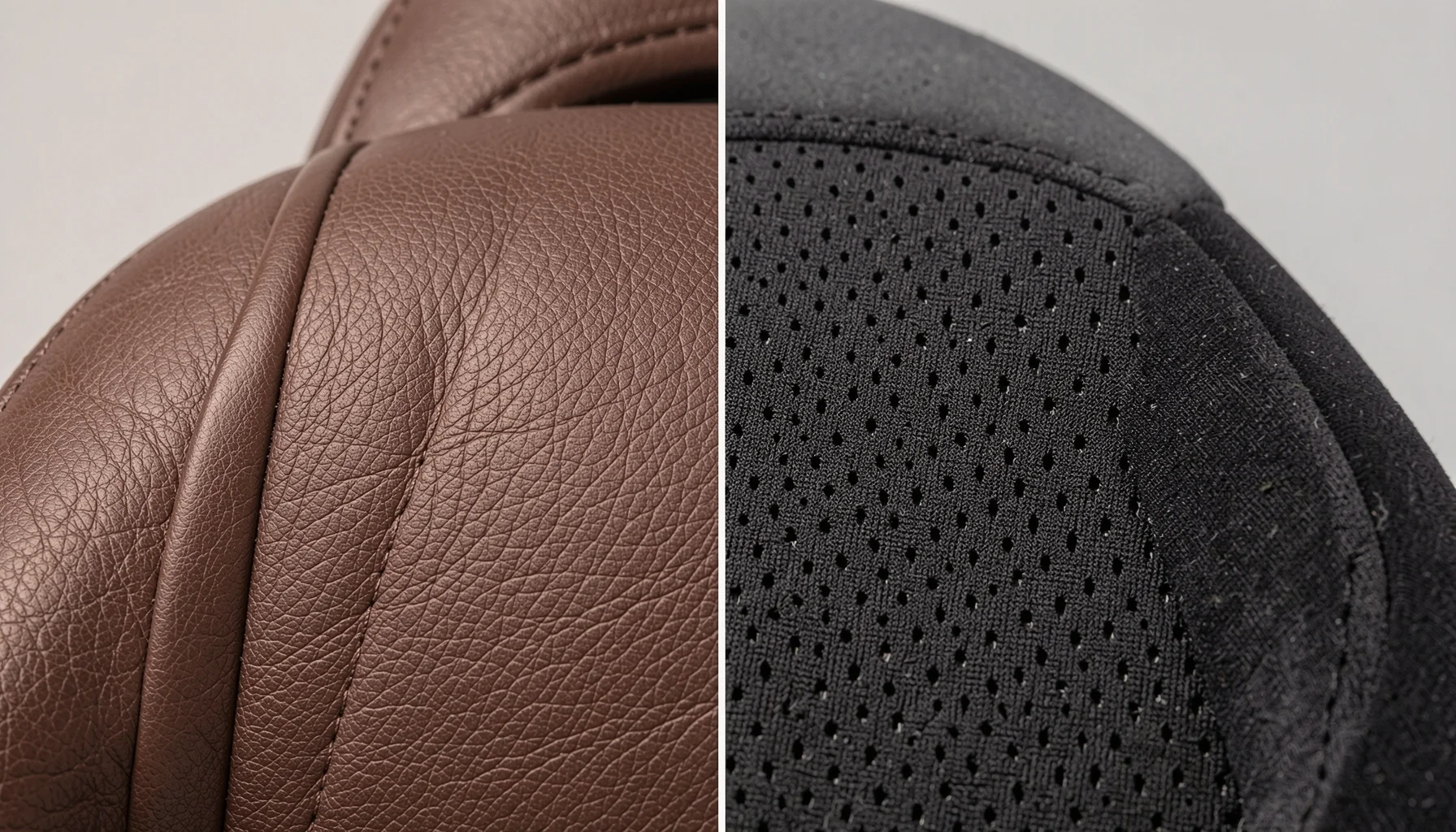 Leather vs Neoprene Car Seat Covers: Pros & Comfort - Leather vs Neoprene Car Seat Covers: Performance and Care
| Criterion in English | leather vs neoprene car seat covers | Neoprene Car Seat Covers | Verdict in English |
|---|---|---|---|
| Core features | Genuine or top-grain leather offers a premium finish and natural porosity. | Synthetic polychloroprene, often layered with foam and a non-slip backing, provides a protective barrier. | Choose by priority: refined appearance or rugged protection. |
| Climate comfort | Can become hot in direct sun and cold in freezing weather; natural porosity allows some air circulation. | Insulates against temperature extremes but is non-porous and may feel sweaty during long, hot drives. | Leather may suit drivers who value a more breathable feel; neoprene handles changing temperatures better. |
| Water and dirt | Absorbent and less suited to repeated exposure to spills or wet gear. | Highly water-resistant; liquids tend to bead on the surface, which helps protect factory upholstery. | Neoprene is the practical pick for wet, muddy, or sandy use. |
| Cleaning and care | Needs suitable care and conditioning every 3–6 months to help prevent drying and cracking. | Usually wipes clean with mild soap and water; hand-wash in cool water when needed and air-dry. | Neoprene generally takes less routine maintenance. |
| Wear and limits | Resists punctures and tears but can be scratched by keys or pet claws. | Resists salt water, sand, mud, and mildew; lower grades may fade or become brittle after prolonged intense sun. | Both are durable, but their vulnerabilities differ. |
| Typical price position | Premium. | Mid-range. | Neoprene generally costs less; exact prices depend on fit and product. |
| Fit and installation | Straps, hooks, and careful tucking help limit shifting. | Adjustable straps, buckles, Velcro, or elastic edges secure the cover. | Vehicle-specific fit matters more than material alone. |
| Airbag compatibility | Must be designed for the vehicle seat’s side-impact airbag. | Must have compatible side seams or breakaway stitching. | Verify compatibility before buying either type. |
Which material feels better in your local climate?
Leather’s porosity can help with air circulation, but it does not prevent the surface from getting very hot in direct summer sun or cold in winter. Neoprene’s insulation helps moderate those extremes, though the material does not breathe. If you spend long periods driving in hot weather, that trade-off matters: neoprene can contribute to a sweaty back.
Neoprene is especially useful when wet clothing, muddy gear, or frequent spills are part of everyday life. It forms a water-resistant barrier between moisture and the original seat, making it a practical option for surfers, hikers, pet owners, parents, and tradespeople. Leather can be a stronger match for drivers who prioritize an upscale interior and are prepared to maintain it.
Care differs, too. Leather benefits from periodic conditioning—typically every 3–6 months—to help prevent drying and cracking. Neoprene is often easier to wipe down with mild soap and water. For a deeper clean, hand-wash in cool water with mild detergent and air-dry it; do not machine-dry it, as heat can damage its elasticity.
Value, Fit, and Choosing the Right Cover
The better value depends on the protection you need, the cover’s fit, and the care you are willing to provide. Leather sits in the premium category, while neoprene is generally mid-range; compare specific products and vehicle fit rather than assuming material alone determines overall value.
What should you check before you buy?
Step 1: Match the material to your routine. Choose leather if you want a premium look and are comfortable with regular conditioning. Choose neoprene if wet gear, pets, children, muddy work clothes, or outdoor activities make moisture and cleanup bigger concerns.
Step 2: Decide between custom and universal fit. Custom-fit covers are made for particular vehicle makes and models and can provide a closer, more factory-like appearance. Universal-fit covers are designed for a wider range of seats and may be less tailored. Either way, check compatibility with your seat shape, headrests, and controls before ordering.
Step 3: Verify side-airbag compatibility. This is a safety requirement, not an optional feature. Confirm that the cover is explicitly designed for your vehicle’s seat-mounted side-impact airbags, with appropriate breakaway stitching or side-seam construction. Do not install a cover that could obstruct deployment.
Step 4: Consider installation and upkeep. Leather covers typically use straps and hooks and may need careful tucking to reduce movement. Neoprene covers commonly use straps, buckles, Velcro, or elasticized edges. Follow the product’s instructions and make sure the finished cover is secure without interfering with seat belts or seat functions.
Step 5: Weigh long-term value honestly. There is no universal savings percentage: purchase price, care requirements, exposure, and how well the cover fits all affect value. Neoprene may be the more convenient choice for frequent spills and outdoor use; leather may be worth its premium to someone who values its appearance and is willing to care for it.
YourCarButBetter recommends treating fit and safety as essential buying checks, then choosing material around your lifestyle. For more help comparing fit types and upkeep, see our complete guide to car seat covers. If neoprene looks right for your routine, our guide to neoprene car seat covers and waterproof comfort explains the material’s practical trade-offs.
Who should choose leather, and who should choose neoprene?
Leather is a better fit if you:
- Prefer a premium, refined interior appearance.
- Want a natural material with some air circulation.
- Can condition it regularly and protect it from scratches and spills.
Neoprene is a better fit if you:
- Regularly carry wet, muddy, sandy, or dusty items.
- Need a wipe-clean barrier for pets, children, or work gear.
- Prefer lower-maintenance protection and a material that insulates against temperature extremes.
Neoprene’s limits deserve equal attention: it is not breathable, lower-grade products can fade or become brittle after extended exposure to intense sunlight, and the rugged look may not suit a luxury-style interior. Leather’s limits are different: it needs more care, absorbs moisture, and can feel uncomfortable in extreme temperatures. For both, a secure, vehicle-compatible fit is more important than choosing solely by appearance or price.
FAQ
Are neoprene car seat covers completely waterproof?
Neoprene is highly water-resistant, and liquid tends to bead on its surface rather than soak through immediately. However, protection can depend on the cover’s construction, seams, fit, and condition. Check the product’s claims and care instructions, and clean spills promptly rather than assuming every cover offers a perfect waterproof seal.
Are leather or neoprene seat covers better for hot weather?
Neither is ideal for every hot-weather driver. Leather allows some air circulation but can become very hot in direct sun. Neoprene insulates against temperature extremes, yet its non-porous surface may feel sweaty during a long drive. If heat is your main concern, consider your sun exposure, drive length, and personal comfort preference.