

Leather Car Seat Covers: Style, Durability & Upkeep Guide
Posted by YourCarButBetter on
Leather car seat covers overlay factory upholstery to help shield it from everyday spills, debris, pet hair, and wear while changing the cabin’s appearance. Many options use synthetic or faux leather, including PU leather, rather than genuine leather. The right choice depends on your seat layout, desired style, and willingness to clean and maintain the surface regularly; for a work-focused fabric alternative, compare canvas car seat covers.
What Leather Car Seat Covers Are—and What They Do
Leather car seat covers are aftermarket layers fitted over existing seats. Their smooth surface can be easier to wipe clean than fabric and offers a distinct look, but protection and fit depend on the individual cover and vehicle. YourCarButBetter recommends checking product details and seat configuration before choosing a style.
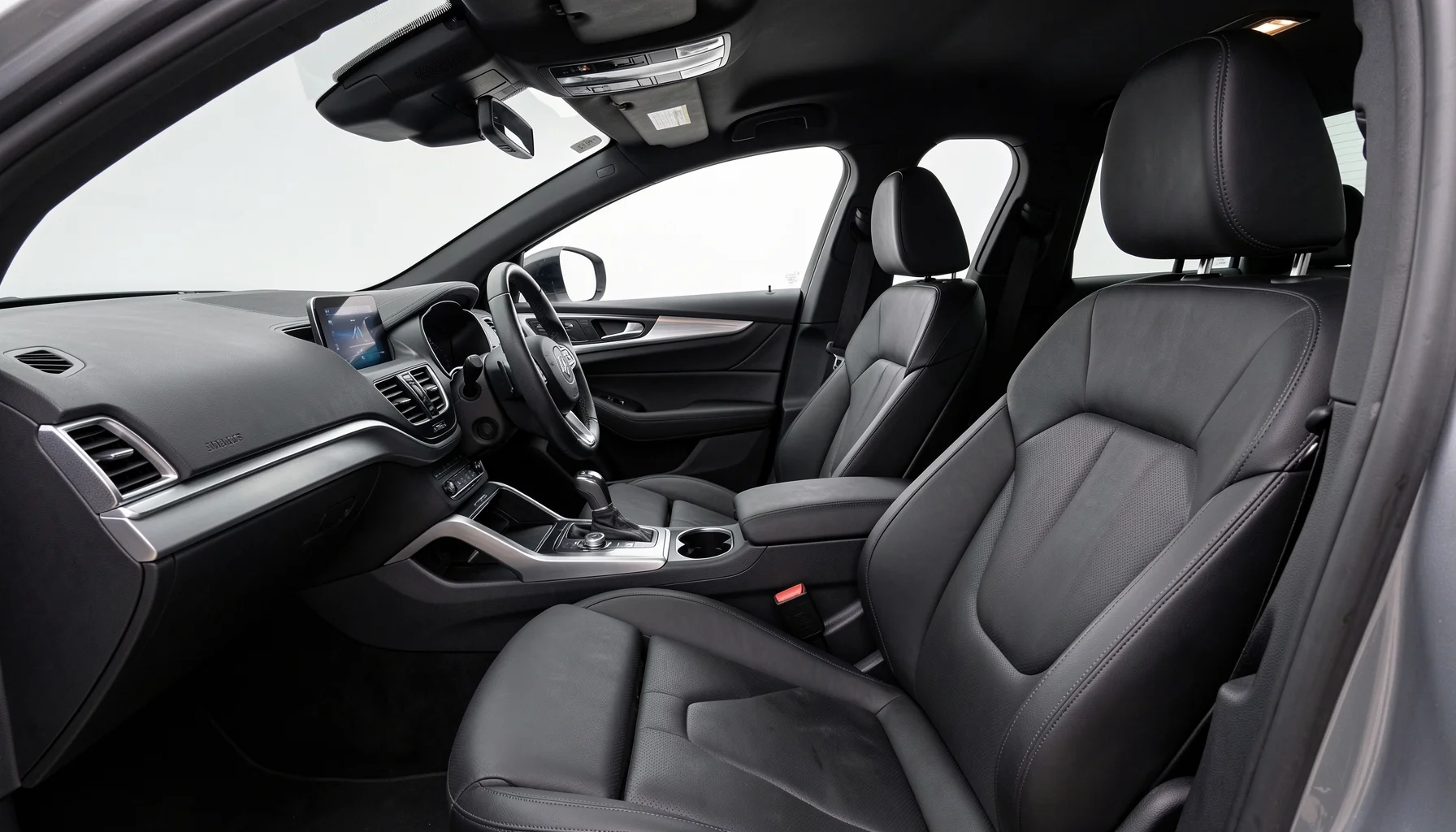 Leather Car Seat Covers: Style, Durability & Upkeep Guide - What Leather Car Seat Covers Are—and What They Do
“Leather” can describe different materials. Some covers use genuine leather, while many leather-style products use synthetic materials such as PU leather. Check the product description to confirm what a specific cover is made from; appearance alone does not establish its composition.
The main practical benefits are:
- Everyday upholstery protection: A cover can help keep food spills, crumbs, dirt, and pet hair off factory seats.
- A refreshed interior: Smooth surfaces, solid colors, and patterned designs can change the cabin’s look without replacing the original upholstery.
- Straightforward surface cleaning: Many leather-style surfaces can be wiped with a damp cloth and mild soap. Cleaning instructions may differ by product, so follow the manufacturer’s guidance.
These covers are a protective layer, not a guarantee against damage. Avoid assuming that a leather-style surface is waterproof or that a cover will prevent every scratch, stain, or sign of wear. For a broader overview of fit, style, and care considerations, see YourCarButBetter’s complete guide to car seat covers.
How to Choose, Check Fit, and Install
Choosing a cover means balancing material, appearance, seat layout, and cleaning needs. Before installation, verify the product’s fitment notes and make sure the cover does not obstruct seat belts, buckles, or other essential safety features.
| Consideration | What to check | Practical implication |
|---|---|---|
| Material | Confirm whether the listing specifies genuine leather or synthetic/faux leather, such as PU | Material affects appearance and care; do not infer composition from photos |
| Seat configuration | Bucket or bench seats, integrated headrests, and seat-mounted armrests | The cover must suit the seat layout to install and sit properly |
| Fitment description | Read the product’s specific fit notes; fit may be universal or semi-universal unless stated otherwise | Do not assume a custom fit without product documentation |
| Safety features | Check that seat belts, buckles, and side-impact airbag areas are not obstructed | Do not use a cover that interferes with essential safety features |
| Cleaning | Review care instructions and test an inconspicuous area if appropriate | Mild soap and a damp cloth are a practical starting point for leather-style surfaces |
Use this streamlined workflow before and during installation:
- Assess the vehicle seats. Identify bucket or bench seats, integrated headrests, and any seat-mounted armrests.
- Choose by use and appearance. Consider whether your priority is everyday protection from family messes or pet hair, or a visual refresh. Designs range from solid colors to animal, character, horror, and seasonal themes.
- Verify fitment and safety details. Read the product description for compatibility notes. Check that the cover will not block seat belts or interfere with side-impact airbag areas.
- Prepare and secure the cover. Clean the factory seat first. Use the included straps, hooks, or elastic bands as directed, aiming for a snug fit that minimizes shifting when getting in and out.
- Recheck after installation. Confirm that buckles remain accessible and the cover has not moved over any safety feature.
Fit can vary, so avoid relying only on a general vehicle category or appearance in product images. If comparing material types, YourCarButBetter’s leather vs. neoprene seat cover guide explains practical trade-offs between those options.
Care, Long-Term Use, and 2026 Guidance
Leather-style seat covers are easiest to maintain when spills and debris are addressed promptly and cleaning stays gentle. In 2026, the practical decision remains product-specific: verify the material, fit, and care directions instead of relying on broad claims about durability or protection.
For routine upkeep, remove loose debris and wipe the surface with a damp cloth and mild soap when needed. Avoid harsh chemicals, which may degrade synthetic materials. Follow the product’s care instructions, and do not use a cleaner simply because it is labeled for leather unless the cover’s manufacturer says it is suitable.
Long-term results depend on material, use, cleaning habits, installation, and exposure to everyday wear. A cover that shifts during entry and exit may need to be re-secured; repeated movement can undermine a tidy fit. Check straps and attachment points periodically, particularly after cleaning or adjusting the seats.
Practical tips before you buy or install:
- Match the cover to the actual seat layout, not just the vehicle’s make and model.
- Consider how children, pets, and regular commuting affect your cleaning routine.
- Choose a style you can maintain; textured or patterned designs may have different care needs, so consult the product instructions.
- Keep seat belts and buckles accessible, and do not assume a cover is airbag-compatible unless documentation for that specific product confirms it.
- Treat the cover as a layer of protection, not a substitute for careful use or factory upholstery care.
From YourCarButBetter’s perspective, leather or faux-leather covers make sense when a driver values a smooth, wipeable surface and a noticeable interior update. They may be less suitable for someone who prefers a fabric feel or does not want to follow material-specific cleaning directions. Compare the actual product details and weigh those trade-offs before choosing.
FAQ
Are leather car seat covers made from real leather?
Not necessarily. Many products described as leather seat covers use synthetic or faux leather, including PU leather. Check the specific product description to confirm the material rather than assuming it is genuine leather. If the listing does not identify the composition, contact the seller before making a decision based on material.
How do I clean faux-leather car seat covers?
Start with the product’s care instructions. For routine cleaning, use a damp cloth and mild soap, then avoid harsh chemicals that could degrade synthetic material. Remove spills and debris promptly, and do not assume every cleaner labeled for leather is suitable for faux leather. Test cautiously if the instructions permit.
Share this post
- Tags: leather car seat covers