

Faux Leather vs. Neoprene Car Seat Covers: Which Is Better?
Posted by YourCarButBetter on
Faux leather vs neoprene car seat covers comes down to your priorities: faux leather is the better choice for a polished, easy-to-wipe interior, while neoprene suits drivers who regularly face wet gear, spills, or muddy pets. Neither is best for every climate or use. Compare fit and airbag compatibility before choosing either material.
Faux Leather vs. Neoprene Car Seat Covers: Core Performance
Faux leather emphasizes a smooth, leather-like appearance and quick surface cleanup; neoprene emphasizes cushioning and resistance to moisture. For YourCarButBetter readers, the practical choice depends on what your seats encounter most: everyday food and drink spills or frequent wet, dirty gear.
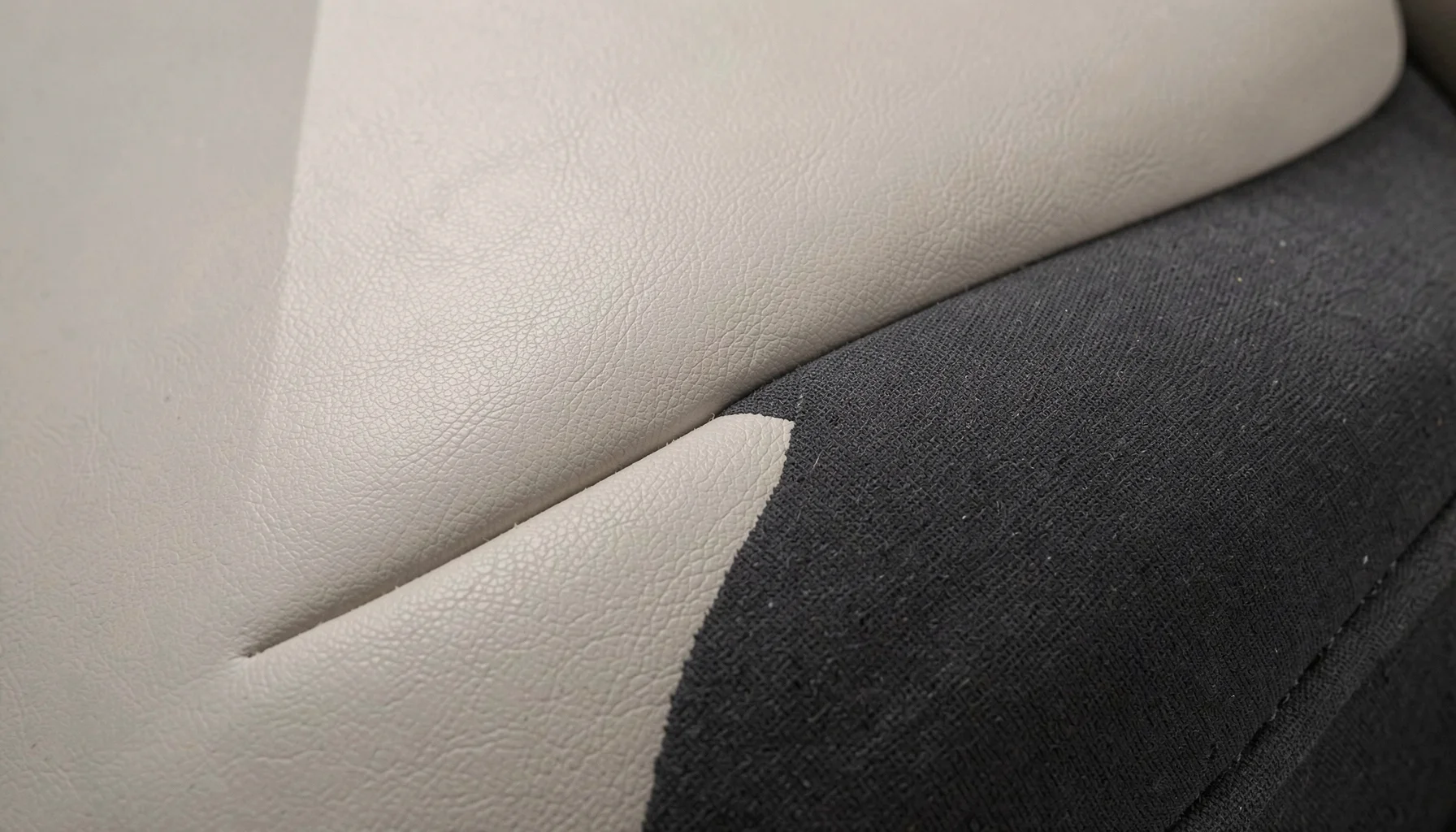 Faux Leather vs. Neoprene Car Seat Covers: Which Is Better? - Faux Leather vs. Neoprene Car Seat Covers: Core Performance
| Criterion | Faux leather vs neoprene car seat covers | Neoprene car seat covers | Verdict |
|---|---|---|---|
| Texture and look | Smooth, leather-like finish with a polished, factory-inspired appearance | Soft, cushioned feel with a sportier, more casual look | Choose based on the interior style and feel you prefer |
| Water protection | Surface liquids bead up, but can seep through seams | Closed-cell material is inherently waterproof; liquid beads on the surface | Neoprene offers stronger protection against moisture |
| Cleaning | Wipe clean; occasional conditioning may be needed | Wipe or spot-clean; hand-wash removable covers with mild soap and air-dry | Faux leather is convenient for quick spills; neoprene needs careful washing |
| Temperature comfort | Can feel hot in summer and cold in winter | Insulates and can feel more temperature-neutral | Neoprene may suit more variable temperatures, but is not breathable |
| Durability limits | Abrasion-resistant but may crack over time | Resists tearing but may fade or become brittle after prolonged intense UV exposure | Neither is maintenance-free; consider sun exposure |
| Breathability | Low; may feel uncomfortable during long drives | Non-breathable; can feel sweaty in humid conditions | Neither matches cloth for breathability |
| Fit and installation | Often uses straps and hooks; may need careful tucking | Elastic material typically slides over the seat and secures with straps or fasteners | Fit depends on the specific cover and vehicle |
| Pricing | No product-specific price supplied; compare current listings and included features | No product-specific price supplied; compare current listings and included features | Do not assume one material costs less without checking actual products |
| Best use | Commuting, a refined interior look, and frequent surface spills | Outdoor activities, pets, wet clothing, and muddy gear | Match the cover to your routine |
In everyday use, faux leather is straightforward when a spill lands on the surface: wipe it promptly and check seams, where liquid may pass through. Neoprene’s closed-cell structure provides a stronger moisture barrier, which can be useful after a beach trip or hike. However, water resistance does not mean neglecting cleaning; dirt and residue still need attention.
Climate changes the trade-off. Faux leather can become hot in summer and cold in winter. Neoprene is insulating, but it is also non-breathable, so humid-weather drivers may experience a sweaty back. Neither material should be treated as equivalent to breathable cloth.
Installation is a fit and safety question, not just a material question. Check the cover’s vehicle compatibility and confirm it is explicitly labeled airbag-compatible if the seat has an integrated side-impact airbag.
Which Material Is Easier to Maintain and More Comfortable?
For quick cleanup after routine spills, faux leather is usually simpler to wipe down. For repeated exposure to water, mud, or wet clothing, neoprene’s waterproof construction is the stronger fit—but removable neoprene covers generally call for hand-washing and air-drying, not machine washing.
For faux leather, use a soft cloth to wipe away spills and follow the product’s care instructions; occasional conditioning may be required. Avoid assuming that a clean-looking surface means liquid has not reached a seam. Check seams promptly after a spill, especially if a seat is exposed to coffee, food, or other liquids.
For neoprene, wipe everyday dirt with a damp cloth. For deeper cleaning, the general care guidance is to remove the cover, wash it by hand using mild soap or detergent, rinse thoroughly, and air-dry it away from direct sunlight. Machine washing may damage the rubber bonding. Always follow the specific manufacturer’s instructions if they differ.
Comfort is personal and climate-dependent. Neoprene has a cushioned feel and insulation, which can help it feel less affected by hot or cold conditions. But it does not breathe like cloth, and prolonged driving in humid weather can feel sweaty. Faux leather gives a smooth surface and a more polished look, but can also feel hot in summer and cold in winter. Perforated faux leather centers may help mitigate heat buildup, though they do not make the material as breathable as cloth.
For drivers who prioritize comfort above the two materials’ appearance and protection differences, consider seat-cover construction and fit as well as material. A loose or poorly positioned cover may feel uncomfortable regardless of what it is made from. For more background on choosing covers by fit, style, and care, see YourCarButBetter’s complete car seat cover guide.
Strengths, Limitations, and Which Should You Choose?
Choose faux leather for a clean, leather-like appearance and easy surface cleanup. Choose neoprene for stronger moisture protection and a cushioned feel, especially if wet or muddy gear is part of your routine. The right option depends on how you use the vehicle, your local climate, and the cover’s verified fit and safety details.
Faux leather: strengths
- Polished, leather-like styling without genuine leather upholstery.
- Easy to wipe clean after many everyday surface spills.
- Useful for commuters or professional drivers who value a tidy, easy-to-sanitize-looking cabin.
Faux leather: limitations
- Liquid can seep through seams.
- Can feel hot in summer and cold in winter.
- Low breathability may be uncomfortable during long drives, and the surface can crack over time.
Neoprene: strengths
- Inherently waterproof closed-cell material helps protect seats from moisture.
- Cushioned feel and insulation can suit outdoor trips and variable temperatures.
- A practical option for pet owners, hikers, surfers, and tradespeople dealing with wet or dirty gear.
Neoprene: limitations
- Non-breathable construction can feel sweaty in humid conditions.
- Prolonged direct sunlight can cause fading or brittleness.
- Removable covers generally need hand-washing and air-drying rather than machine washing.
Before buying, compare the cover’s stated vehicle fit, coverage, fasteners, care instructions, and compatibility with seat controls and belts. Universal-fit covers may need adjustment and may not match every headrest or armrest; vehicle-specific designs may offer more precise cutouts, but confirm the actual product details rather than assuming a particular fit.
Use this decision checklist:
- Identify the main mess: routine food and drink spills favor easy-wipe surfaces; frequent wet gear makes neoprene’s moisture barrier more relevant.
- Consider your climate: hot or humid conditions can make either low-breathability material less comfortable.
- Check sun exposure: vehicles parked in direct sunlight for long periods may be harder on neoprene.
- Verify fit and safety: confirm the cover suits your seats and is explicitly airbag-compatible when needed.
- Follow care instructions: use the specific manufacturer’s cleaning guidance to protect the material.
YourCarButBetter’s practical takeaway is simple: prioritize appearance and quick wipe-downs with faux leather; prioritize moisture protection and a cushioned, rugged feel with neoprene. Neither material is a universal winner, and actual price comparisons require checking the specific products available to you—there are no verified product prices or pricing tiers provided here.
FAQ
Are neoprene car seat covers better than faux leather for wet gear?
Neoprene is generally the better match for wet gear because its closed-cell structure is inherently waterproof. Faux leather repels surface liquid, but moisture may pass through seams. Neoprene still needs cleaning after exposure to mud or saltwater, and prolonged direct sunlight can affect its appearance and condition.
Which is more comfortable in hot weather, faux leather or neoprene?
Neither material is highly breathable. Faux leather can get hot in summer, while neoprene insulates but may feel sweaty during long drives in humid conditions. Comfort also depends on the cover’s fit and construction. If breathability is your main concern, cloth is generally a more breathable alternative.