

All Weather Car Floor Mats Maintenance: Wash and Care
Posted by YourCarButBetter on
All weather car floor mats maintenance is straightforward: remove loose debris, wash the mats with mild soap or an automotive rubber cleaner, rinse thoroughly, and let them dry completely before reinstalling. This routine helps manage mud, salt, sand, and spills while protecting factory carpeting. Correct positioning and secure retention are essential before driving.
What All-Weather Mats Do and Why Maintenance Matters
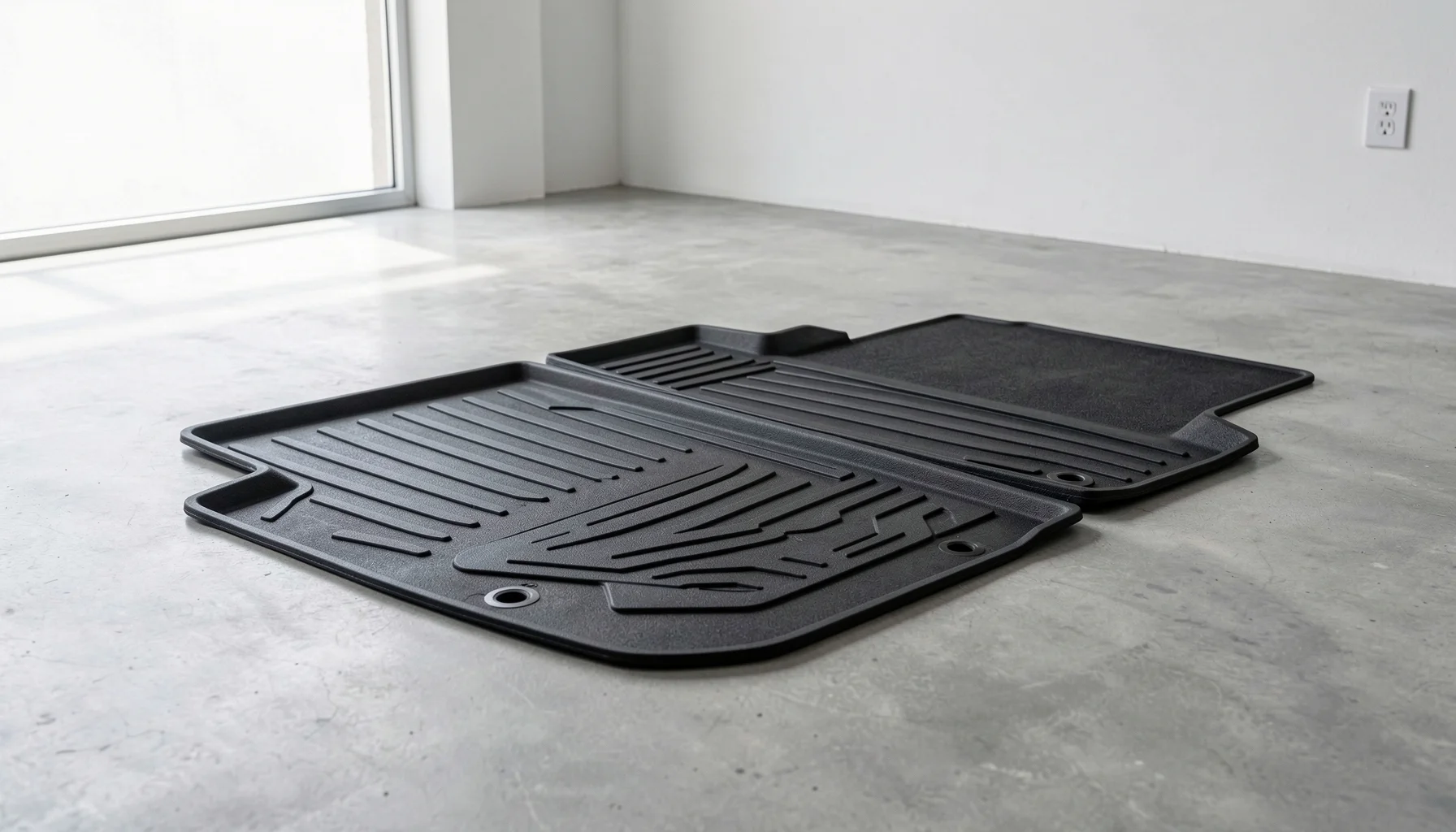
All-weather mats are removable barriers that help keep moisture, dirt, and other contaminants off a vehicle’s factory carpeting. Made commonly from rubber, thermoplastic elastomers (TPE), or heavy-duty vinyl, their non-porous, water-resistant surfaces are easier to clean than carpeted mats—but still need regular care.
 All Weather Car Floor Mats Maintenance: Wash and Care - What All-Weather Mats Do and Why Maintenance Matters
Loose grit and gravel can abrade the mat surface and the carpet below it. Mud and road salt can also collect in grooves and tread patterns, so removing debris and cleaning those channels helps keep buildup from lingering. The routine is useful year-round: for winter slush and salt, sandy footwear, muddy pets, or everyday spills.
How often should you clean all-weather mats?
There is no universal schedule: clean mats when debris or residue builds up, and check them more often during seasons or activities that bring in mud, snow, sand, or salt. Shake out loose dirt regularly, then wash when a rinse or brushing is needed. The right frequency depends on driving conditions and how much mess enters the vehicle.
Cleaning is also a chance to inspect the mats and their retention points. If a mat is damaged or does not sit securely, address that before driving. YourCarButBetter’s practical guidance is to treat maintenance as both a cleanliness routine and a fit-and-safety check.
Cleaning Workflow and Material Considerations
The safest practical workflow is to remove each mat, clear loose debris, wash gently, rinse away all cleaner, and air-dry it fully before reinstalling. Cleaning mats outside the vehicle helps prevent water or cleaning agents from pooling on the vehicle floor.
| Material or feature | What to know | Maintenance consideration |
|---|---|---|
| Rubber | Commonly used for all-weather protection; water-resistant and non-porous | Use mild soap or an automotive rubber cleaner; avoid harsh chemicals and petroleum-based solvents |
| TPE | A common material for all-weather mats; selected for water-resistant properties | Wash gently and follow the mat manufacturer’s care guidance if available |
| Heavy-duty vinyl | Another material used in all-weather mats | Use a mild cleaner and avoid products that could leave the surface slippery |
| Grooves and tread patterns | Can collect mud, grit, and salt deposits | Work cleaner into textured areas with a soft-to-medium bristle brush |
| Retention clips or hooks | Help secure mats in the vehicle | Check that the mat is locked into its retention system before driving |
What is the right way to wash them?
- Remove the mats carefully. Take them out of the vehicle so water and cleaner do not pool on the floor. Avoid dropping loose debris into the footwell.
- Shake off loose dirt. Do this outside the vehicle to remove sand, small rocks, and other debris before washing.
- Apply a mild cleaner. Use a mild soap solution or an automotive-grade rubber cleaner. Avoid bleach, harsh chemicals, and petroleum-based solvents, which can degrade material or leave mats slippery.
- Brush the surface. Use a soft-to-medium bristle brush to work cleaner into grooves and dislodge stubborn mud or salt.
- Rinse thoroughly. Use a low-pressure hose and clean water until soap residue is gone. Avoid close-range pressure washing, which can damage the mat or its retention grommets.
- Air-dry completely. Hang the mats or lay them flat in a well-ventilated area. Keep them away from prolonged, direct UV exposure, which can contribute to cracking.
- Reinstall securely. Confirm the vehicle floor is clean and dry, then engage the factory retention clips or hooks.
This sequence applies to routine cleaning, but stubborn deposits may need more brushing rather than a stronger chemical. Do not apply tire shine or silicone-based dressings to the top surface; they can create a serious slip hazard underfoot.
Practical Recommendations and FAQ
For everyday care, remove loose debris before it becomes ground into the mat, and clean residue promptly when conditions call for it. In winter, pay attention to salt and slush; with pets or family passengers, check for hair, mud, and spills. There is no need to use aggressive products: gentle cleaning and thorough drying are the key steps.
The safest setup is one properly positioned mat per footwell, attached to the vehicle’s retention system. Never place a new mat on top of an existing floor mat, because stacked mats can shift and interfere with the pedals. Do not drive until the mats are dry, correctly placed, and secured.
In 2026, the useful maintenance standard remains practical rather than percentage-based: there is no single cleaning interval or universal performance benchmark that fits every driver. Inspect mats according to actual exposure and condition. For context on material tradeoffs, see YourCarButBetter’s guide to rubber vs. carpet car floor mats.
FAQ
Can I use a pressure washer on all-weather car floor mats?
A low-pressure hose is the safer choice for routine rinsing. Avoid using a high-pressure washer close to the mat because the force can damage its structure or retention grommets. If grime remains, use a soft-to-medium bristle brush with mild soap or automotive rubber cleaner instead of increasing water pressure.
Can I put all-weather mats back in the car while they are damp?
No. Let mats air-dry completely before reinstalling them, and check that the vehicle floor is dry as well. Trapped moisture can contribute to mold, mildew, and unpleasant odors. Before driving, position each mat correctly and secure it with the factory retention clips or hooks to help prevent pedal interference.