

Do Car Sun Shades Actually Lower Interior Temperature?
Posted by YourCarButBetter on
Yes—car sun shades reduce heat buildup, especially on the dashboard, steering wheel, and seats, by blocking direct sunlight through the glass. They can make those surfaces more comfortable to touch and help protect the interior from UV damage. Their effect on cabin air temperature is more modest: a shade helps limit heat gain, but it does not cool the vehicle like air conditioning.
How Sun Shades Affect Heat and Protect Your Interior
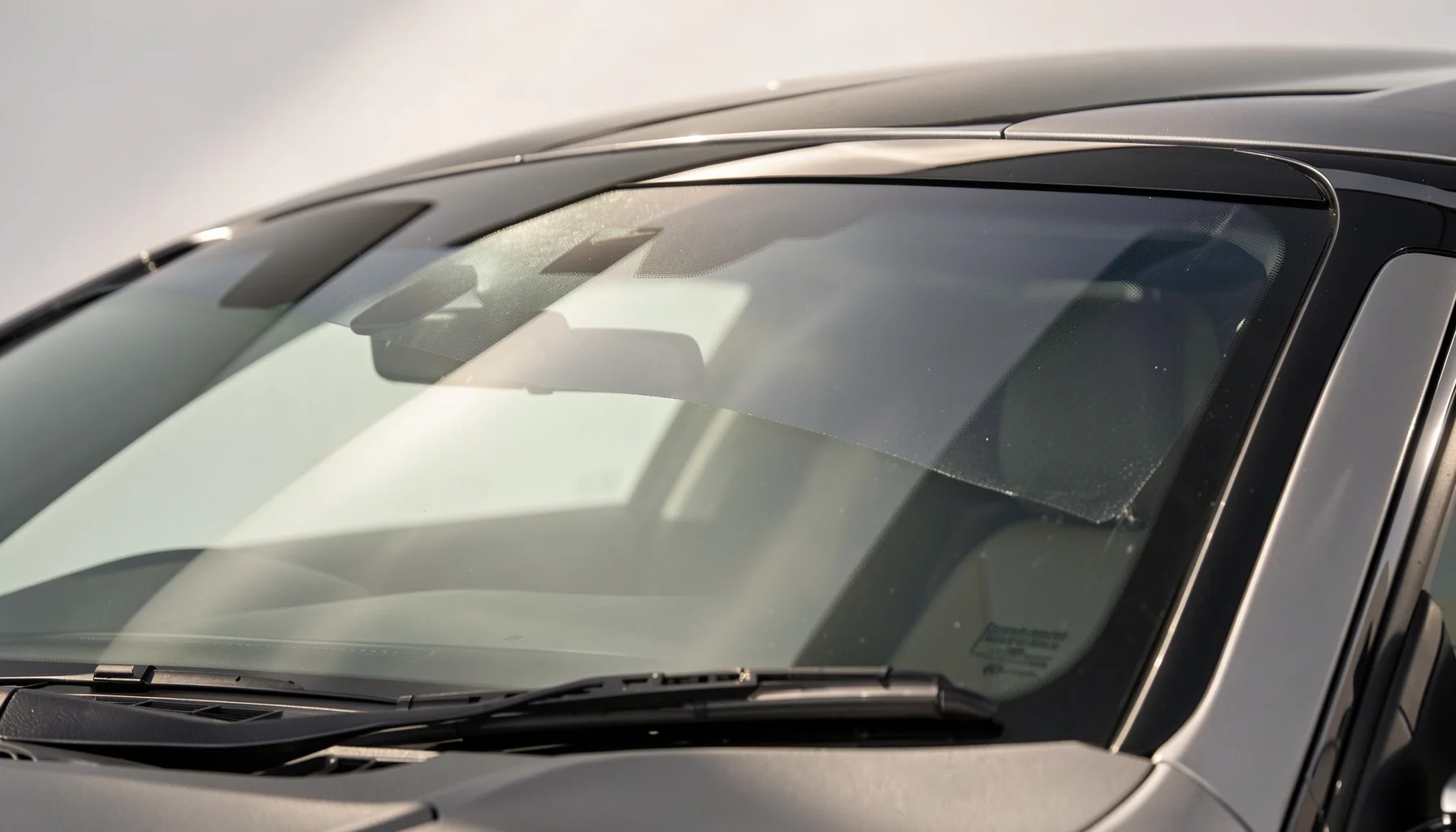 Do Car Sun Shades Actually Lower Interior Temperature? - How Sun Shades Affect Heat and Protect Your Interior
A car sun shade is a passive barrier placed inside a vehicle’s window, usually the windshield, to reduce the sunlight reaching interior surfaces. It helps limit solar heat buildup, but it is not an active cooling device and cannot keep a parked vehicle at a comfortable temperature by itself.
Sunlight reaching the cabin includes visible light, ultraviolet (UV) radiation, and infrared energy. When sunlight passes through the glass, interior materials absorb some of that energy and warm up. Those heated surfaces then contribute to the cabin’s overall heat, a process commonly described as the greenhouse effect.
A reflective windshield shade sends more incoming solar radiation back toward the glass and away from the dashboard and other surfaces. By reducing direct exposure, it can keep the steering wheel, seats, and dashboard noticeably cooler than they would be without a shade. The exact result varies with conditions, including shade coverage, sunlight, and how long the vehicle is parked.
Surface temperature and air temperature are not the same. A shade is particularly useful for reducing the hot-to-the-touch feeling of interior surfaces. It also limits some heat gain in the cabin, but should not be expected to prevent the air inside a parked vehicle from becoming hot.
The benefits extend beyond comfort. Reducing UV exposure can help protect plastics, leather, and fabrics from fading, cracking, and other sun-related deterioration. This can be valuable for drivers who park outside regularly, including in high-sun regions of the United States. A shade is a practical part of interior care, not a substitute for safe vehicle use or climate control.
Choosing and Using a Windshield Shade
A shade’s performance depends mainly on reflectivity, coverage, and fit. A reflective silver or metallic surface generally bounces more solar radiation away than a dark, opaque surface. Covering more of the windshield also reduces gaps where sunlight can reach the dashboard and cabin. Because the windshield is a large entry point for sunlight, shading it can make a meaningful difference.
| Factor | What to look for | Practical effect |
|---|---|---|
| Surface | Reflective silver or metallic finish | Helps reflect solar radiation away from the cabin |
| Coverage | Shade that covers as much windshield glass as practical | Limits direct sunlight entering around the edges |
| Fit | Shape and size suited to the vehicle’s windshield | Reduces gaps that let sunlight through |
| Style | Accordion-fold, pop-up, or roll-up design | Affects deployment and storage convenience |
| Placement | Against the interior side of the windshield | Blocks sunlight before it reaches interior surfaces |
Use a simple process to get consistent coverage and store the shade safely:
- Check the windshield dimensions. Consider the vehicle’s windshield shape and size so the shade can cover as much glass as possible.
- Choose a manageable style. Accordion-fold, pop-up, and roll-up shades offer different storage and deployment options. Select one you will use regularly.
- Place it against the inside of the windshield. Position it to cover the glass, then use the sun visors to hold it in place.
- Combine it with safe ventilation where appropriate. If it is safe and secure to do so, slightly cracking a window may allow hot air to escape. Do not rely on this or a shade to make a parked car safe for a person or pet.
- Clean and store it carefully. Wipe away dust with a damp cloth and let the shade dry completely before folding. Store it securely, such as behind a seat or in the trunk, so it cannot become a projectile during a sudden stop.
The same basic considerations apply when comparing different designs. For example, a Porsche-themed auto sun shade may add a personal touch, but appearance does not establish its coverage or heat performance. Check the product details and vehicle fit before choosing.
Practical Recommendations for 2026
For drivers who park in direct sunlight, a reflective shade with broad windshield coverage is a sensible, low-effort way to reduce direct solar exposure. It can make surfaces less uncomfortable to touch and help preserve interior materials over time. These are realistic benefits; claims of a guaranteed cabin temperature or a specific amount of cooling should be treated cautiously unless supported by relevant product testing.
For better everyday results:
- Use the shade whenever the vehicle will sit in direct sun. Regular use helps limit repeated exposure to the dashboard and front cabin.
- Prioritize coverage over appearance. A design that leaves large uncovered areas allows sunlight to reach those surfaces.
- Check the fit in your vehicle. Windshields vary, and a poorly positioned shade may leave gaps.
- Think of the shade as one part of a comfort routine. Ventilation, when safe and appropriate, can complement it; air conditioning cools the cabin after you return.
- Keep expectations realistic. A shade reduces solar heat gain and UV exposure; it does not eliminate heat or make an unattended vehicle safe for passengers or pets.
As of 2026, the practical guidance remains straightforward: the value of a shade comes from consistent use and good coverage, not from assuming a universal temperature reduction. YourCarButBetter approaches sun shades as interior-protection and comfort accessories. Choose one that suits your windshield and storage habits, and use it alongside sensible precautions when parking in hot weather.
FAQ
Do car sun shades lower the air temperature inside a parked car?
They can reduce heat gain by blocking sunlight, but their effect on cabin air temperature is more modest than their effect on sun-exposed surfaces. A shade helps keep the dashboard and steering wheel cooler; it does not actively cool the cabin or prevent a parked vehicle from becoming hot.
Is a reflective shade better than a dark shade?
A reflective silver or metallic surface generally redirects more solar radiation away from the vehicle than a dark, opaque surface. Coverage matters too: a reflective shade that leaves large gaps may be less useful than one that fits the windshield more completely. Check the shade’s coverage and vehicle fit before choosing.