

Windshield Sun Shade Sizing Guide: Finding the Right Dimensions
Posted by YourCarButBetter on
A proper windshield sun shade sizing guide helps vehicle owners measure their glass accurately and select a shade that delivers effective coverage. By recording your windshield’s width and height in inches, you can match it to available sizes and avoid gaps that reduce performance. This approach protects dashboards from cracking, prevents interior fading, and keeps cabin temperatures more comfortable on hot days, whether you drive a compact car, sedan, SUV, or truck.
Why Accurate Windshield Sun Shade Sizing Matters
Correct windshield sun shade sizing ensures the accessory performs as intended by providing full coverage tailored to your vehicle’s unique glass shape. Windshields are not uniform across makes and models, so a shade that works well on one car may leave uncovered areas on another.
Well-fitted shades help reduce cabin heat buildup during peak sun exposure, making it noticeably more comfortable when you return to a parked vehicle. They also limit UV exposure that can cause dashboards to crack, steering wheels to fade, and seats to deteriorate over time. For families and daily commuters across the United States, this protection preserves interior condition and improves everyday driving comfort.
Vehicle glass dimensions vary significantly. Compact cars typically feature smaller, more angled windshields, while SUVs and trucks often have broader and taller glass surfaces. Relying on guesswork or “universal” labels instead of actual measurements frequently results in poor fit, reduced effectiveness, and frustration when the shade shifts or fails to block sunlight completely.
YourCarButBetter has observed through customer feedback that drivers who measure first report higher satisfaction and better long-term interior protection. Taking a few minutes to determine exact dimensions prevents repeated purchases and ensures the shade stays in place on windy days or during travel.
This practical step supports real-world use cases such as parking in open lots, road trips through sunny states, or simply leaving the car outside at work. When the shade matches your windshield closely, it deploys quickly, stores easily, and delivers consistent results season after season.
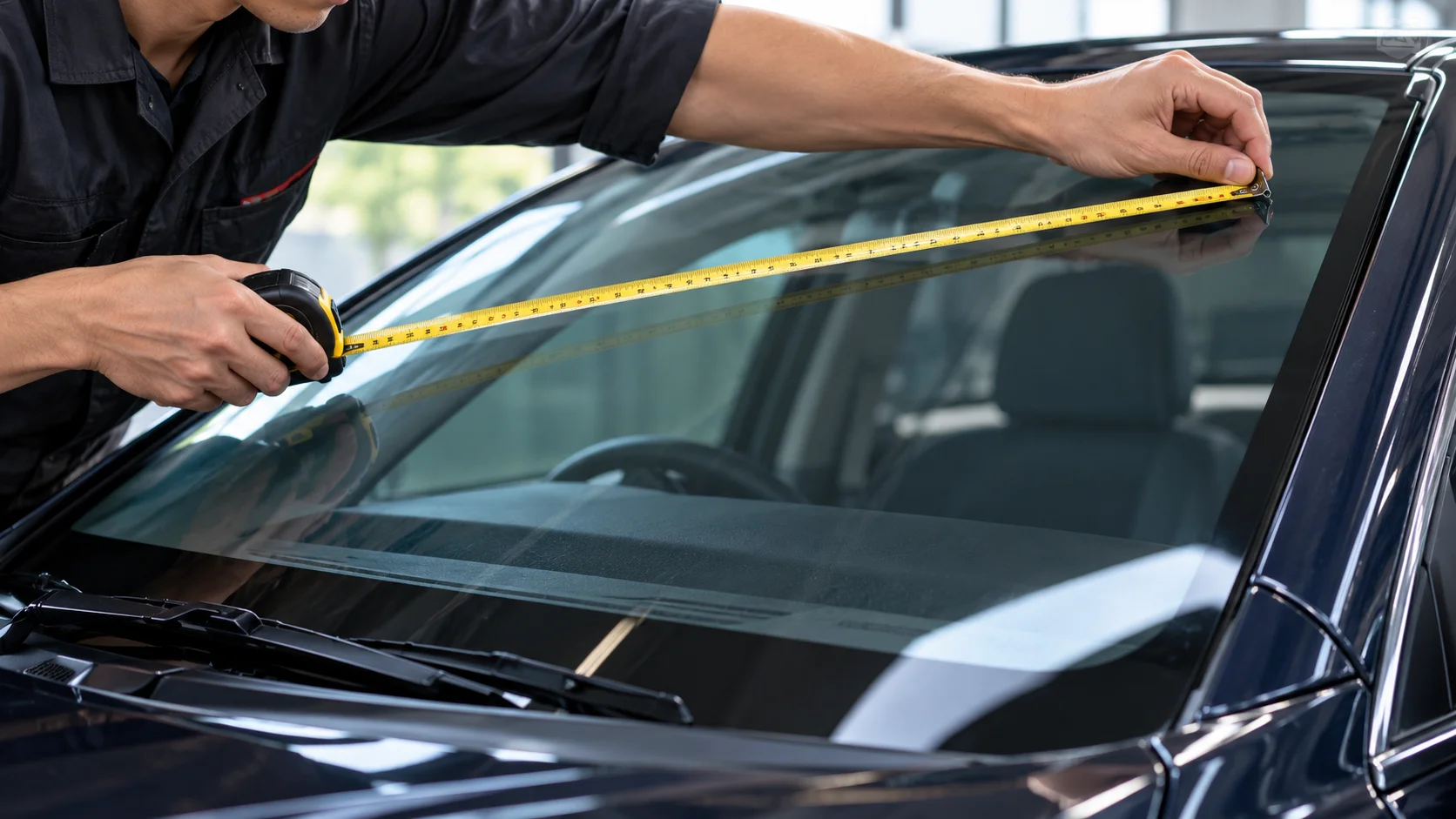 Windshield Sun Shade Sizing Guide: Finding the Right Dimensions - Why Accurate Windshield Sun Shade Sizing Matters
How to Measure Your Windshield for the Right Shade Size
Measuring your windshield following a standardized process is the most reliable method to match shade dimensions to your specific vehicle. This straightforward workflow eliminates guesswork and helps you compare your results against available product sizes with confidence.
The table below outlines the exact steps recommended for accurate results:
| Step | Procedure | Practical Tip |
|---|---|---|
| 1 | Prepare a standard measuring tape | Use a flexible tape measure and have a helper hold one end if measuring alone feels awkward |
| 2 | Measure the horizontal width | Record across the middle or bottom edge where glass meets the dashboard to capture the widest point |
| 3 | Measure the vertical height | Run the tape straight from the bottom edge near the wipers upward to the top near the rearview mirror and headliner |
| 4 | Record both dimensions in inches | Write down the numbers clearly and double-check each measurement before proceeding |
| 5 | Compare to available shade sizes | Select the closest available option that provides full coverage without excessive overhang or obstruction |
After recording your width and height, consider how your vehicle type influences the final choice. Compact cars generally require smaller shades that align with narrower glass, whereas SUVs and trucks need larger dimensions to cover greater surface area. Sedans often fall in the middle range.
Avoid assuming any shade will fit every model. Windshield curvature, windshield angle, and trim variations all affect how a shade sits. The measurement process outlined above accounts for these differences when performed carefully from inside or directly in front of the vehicle.
Once you have your numbers, cross-reference them with product listings. Focus on shades that list compatible dimensions near your recorded figures. This method works equally well for standard reflective shades or fun printed designs. Taking these steps once provides a reference you can reuse when replacing or upgrading your sun shade in the future.
Practical Tips for Matching Sun Shade Size to Your Vehicle
After measuring, several practical considerations help translate your dimensions into the best possible purchase decision for long-term performance and convenience. Prioritizing fit over style ensures the shade delivers reliable protection.
Always choose a shade that fully covers your recorded width and height. A slightly larger shade is usually preferable to one that falls short, as minor overhang can be tucked or folded while gaps allow heat and light to penetrate. For SUVs and trucks with taller windshields, confirm the height measurement especially carefully since these vehicles often need bigger coverage than compact cars.
Consider how you will store the shade. Styles that fold or roll compactly fit better in smaller vehicles where space is limited. Test deployment and removal a few times after purchase to confirm the size works with your mirror and dashboard layout.
Pay attention to the windshield’s curve. A shade that matches your measurements on paper may need minor adjustment in practice if the glass is heavily angled. Drivers of multiple vehicles should measure each one separately rather than assuming similar models share identical glass sizes.
For those who enjoy themed accessories, proper sizing remains essential. A Jurassic Park car shade, for example, still requires accurate dimensions so the printed design aligns correctly and covers the full glass area.
Keep your recorded measurements in your phone or glovebox. They serve as a permanent reference for future purchases and help you evaluate new options quickly. Re-measure occasionally if you replace your windshield or move to a different vehicle.
These tips, grounded in everyday use by American drivers, help maximize value and performance from any sun shade. Taking time to match size to your specific compact car, SUV, or truck windshield pays off through better heat management and longer-lasting interior protection.
FAQ
What should I do if my windshield measurements fall between two available sizes?
When your width and height fall between two sizes, select the larger option to ensure complete coverage. This prevents gaps that let sunlight and heat enter, providing better protection for your dashboard and seats. Review product details for any specific guidance on how the shade fits different windshield shapes.
Do compact cars need different sun shade sizing than SUVs or trucks?
Yes. Compact cars typically have smaller, more angled windshields, while SUVs and trucks feature larger surface areas that require bigger shades. Always measure your specific vehicle rather than relying on general class assumptions. This ensures the chosen shade fits properly and delivers consistent heat reduction and interior protection.