

Best Car Seat Covers for Dogs: Protect Your Interior
Posted by YourCarButBetter on
Car seat covers for dogs create a removable barrier between pets and factory upholstery, helping limit the buildup of loose hair, dirt, moisture, and claw-related wear. The right choice depends on your vehicle’s seat layout, belt and airbag locations, and the cover’s listed materials and care instructions. Careful fitment checks and secure installation matter as much as appearance.
What Dog Seat Covers Do—and What to Check
A dog seat cover is an interior accessory placed over a vehicle seat to reduce direct contact with pet hair, muddy paws, and claws. It can make routine trips to the park or vet easier to manage and help preserve the original upholstery, but it does not prevent every stain, scratch, or spill.
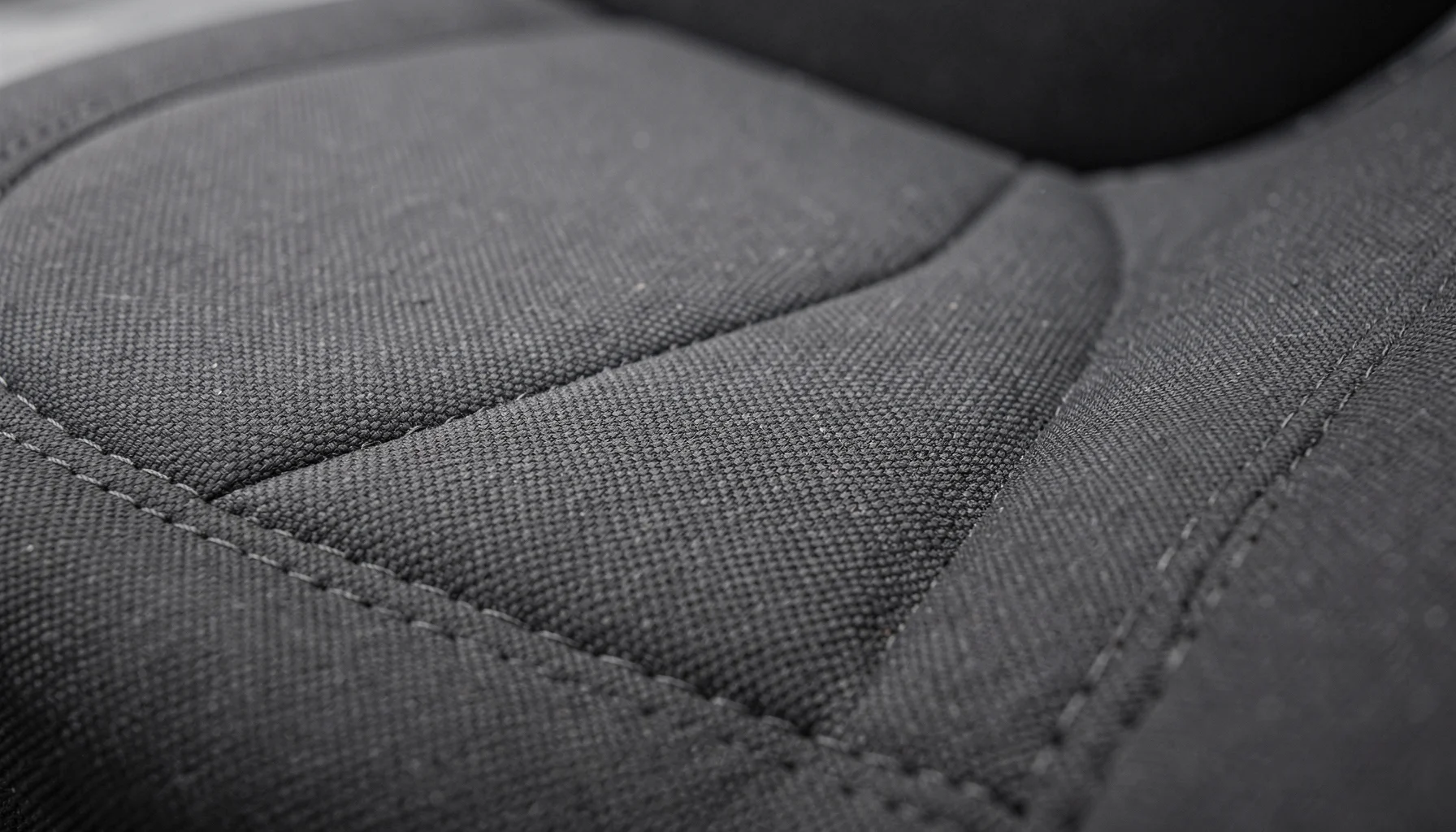 Best Car Seat Covers for Dogs: Protect Your Interior - What Dog Seat Covers Do—and What to Check
Think of the cover as a removable protective layer, not a guarantee of damage-free upholstery. Product materials and construction vary, so check the specific listing rather than assuming a cover is waterproof, heavy-duty, or suitable for machine washing.
Before choosing one, consider:
- Seat shape and dimensions: Determine whether you need coverage for a bench or bucket seat, then measure the seat and compare it with the product details.
- Interior layout: Locate headrests, seat belt buckles, and any seat-side airbags. A cover should not obstruct belts or interfere with safety features.
- Your dog’s habits: Shedding, muddy paws, and movement in the car create different cleanup needs. No cover should be treated as a substitute for appropriate pet restraint.
- Cleaning needs: Check whether the listed care instructions call for spot cleaning, machine washing, or another method.
YourCarButBetter’s perspective is practical: appearance is one part of the choice, but fitment checks, installation, and maintenance determine whether a cover works for your everyday routine. For broader guidance on fit, style, and care, see the complete guide to car seat covers.
How to Choose and Install a Cover
Choosing a dog seat cover means matching the product information to your vehicle’s seat and safety layout, then securing it without blocking seat belts or sensors. Use this comparison and workflow to check the important details before the first trip.
| Check | What to verify | Why it matters |
|---|---|---|
| Seat type | Bench or bucket seat; compare measured dimensions with listing details | Helps assess whether the cover can sit on the intended seat |
| Materials | Read the specific product description | Materials and construction vary; do not assume a performance claim |
| Attachment | Identify the listed straps, hooks, or elastic bands | Secure attachment helps keep the cover in position |
| Belt access | Check the location of buckles and belt paths | The cover must not obstruct seat belt use |
| Safety features | Identify seat-side airbags and sensors | These products are not certified for integrated seat-side airbag use |
| Care | Follow the product’s cleaning instructions | Avoids relying on an unsuitable cleaning method |
Practical installation workflow
- Assess the vehicle. Measure the target seat and identify headrests, seat belts, buckles, sensors, and side-impact airbag zones.
- Review the listing. Compare the cover’s stated details and attachment method with your seat layout. Do not infer compatibility from appearance alone.
- Position and secure the cover. Use the provided straps, hooks, or elastic bands as directed.
- Check access and movement. Confirm the cover does not block buckles or safety sensors. Recheck its position before driving and after it shifts.
- Maintain it regularly. Remove the cover periodically to shake off loose hair and debris. Clean it according to the specific material instructions.
If you cannot determine whether a cover will interfere with an integrated seat-side airbag, do not assume it is safe for that seat. The product category is not certified for that use; check the vehicle and product guidance before installation.
Practical Recommendations and FAQs
For everyday dog transport, prioritize a cover whose listed details suit your measured seat and whose attachment method you can secure without obstructing belts or sensors. In 2026, the same practical checks remain important: product descriptions and vehicle layouts vary, so avoid relying on broad fit or performance assumptions.
Useful tips: Remove hair and debris before they accumulate, inspect the attachment points periodically, and follow the product’s care instructions. If your dog often returns with muddy paws, a removable layer can simplify cleanup, but it cannot guarantee that moisture will not reach upholstery.
YourCarButBetter recommends treating fitment, safety access, and care as the first decision points, with visual design as a personal preference. Choose based on the actual product details rather than assuming a particular pattern or material provides extra protection.
FAQ
Do car seat covers for dogs stop claws from damaging seats?
A seat cover places a layer between your dog’s claws and the factory upholstery, which can help reduce direct contact and related wear. It is not a guarantee against damage: coverage, fit, material, and how the dog moves all matter. Check the product details and inspect the cover regularly.
Can I use a dog seat cover with side airbags?
These covers are not certified for use with integrated seat-side airbags, so do not assume a cover is compatible. Identify the airbag deployment area and consult the product and vehicle guidance before fitting one. Never allow the cover to block seat belts, buckles, or safety sensors.
Share this post
- Tags: car seat covers for dogs