

Waterproof Car Seat Covers: Essential Spill Protection
Posted by YourCarButBetter on
Waterproof car seat covers create a protective barrier between everyday spills and your vehicle’s original upholstery. By resisting liquid penetration, they can help keep drinks, food, mud, and pet moisture from soaking into seat fabric or foam. The right cover also supports easier cleanup, but it must be checked for vehicle fit, seat configuration, and possible interference with side-impact airbags or seatbelt hardware.
What Waterproof Car Seat Covers Do and Why They Matter
Waterproof car seat covers are automotive accessories placed over factory-installed seats to reduce exposure to moisture, dirt, pet hair, and daily wear. Their primary function is straightforward: liquid-resistant material helps prevent accidental spills from reaching the underlying upholstery and seat foam.
A spill that remains on the cover can usually be addressed more easily than liquid absorbed into fabric or foam. Once moisture reaches the internal cushioning, it may create lingering odors, staining, or difficult drying conditions. A protective cover does not make a vehicle’s interior invulnerable, but it can provide an additional layer between the source of the spill and the original seat.
The practical benefits are especially relevant for:
- Families with children: Drinks, snacks, and food residue are common during commuting and road trips.
- Pet owners: Wet paws, muddy fur, and outdoor debris can transfer directly onto uncovered seats.
- Daily drivers: Repeated exposure to minor spills and abrasion can gradually affect factory upholstery.
- Older vehicles: A cover can help refresh the appearance while protecting seats that already show wear.
- Resale-conscious owners: Keeping factory upholstery cleaner may support better overall interior presentation when the vehicle is traded or sold.
The word waterproof should be understood in context. It describes the material’s ability to repel liquids and limit moisture penetration; it does not mean every seam, edge, or installation arrangement will block water indefinitely. Coverage, tension, stitching, and how quickly a spill is removed all influence real-world protection.
Design is another consideration. YourCarButBetter offers protective seat-cover options with visual themes that can include animal prints, character designs, horror motifs, seasonal patterns, and colorful graphics. This allows drivers to address a practical protection need while also personalizing the cabin.
Before selecting a cover, review the vehicle’s seat layout. Bucket seats, bench seats, removable headrests, integrated controls, and seat-side airbags can all affect suitability. A product should not be treated as custom-fit or universal-fit unless its specific listing explicitly says so.
For broader guidance on selecting and maintaining different styles, review YourCarButBetter’s complete guide to car seat covers.
Which problem does a waterproof cover solve first? It primarily reduces the chance that liquid reaches the original seat material and foam. It is not a substitute for prompt spill cleanup, correct installation, or confirmation that the cover is appropriate for the vehicle’s safety features.
Specifications, Fitment, and the Practical Installation Workflow
The most important specifications are functional rather than decorative: moisture resistance, seat coverage, attachment method, cleaning requirements, and compatibility with the vehicle’s seating system. Because products differ, the individual listing remains the final source for materials, dimensions, included hardware, and supported configurations.
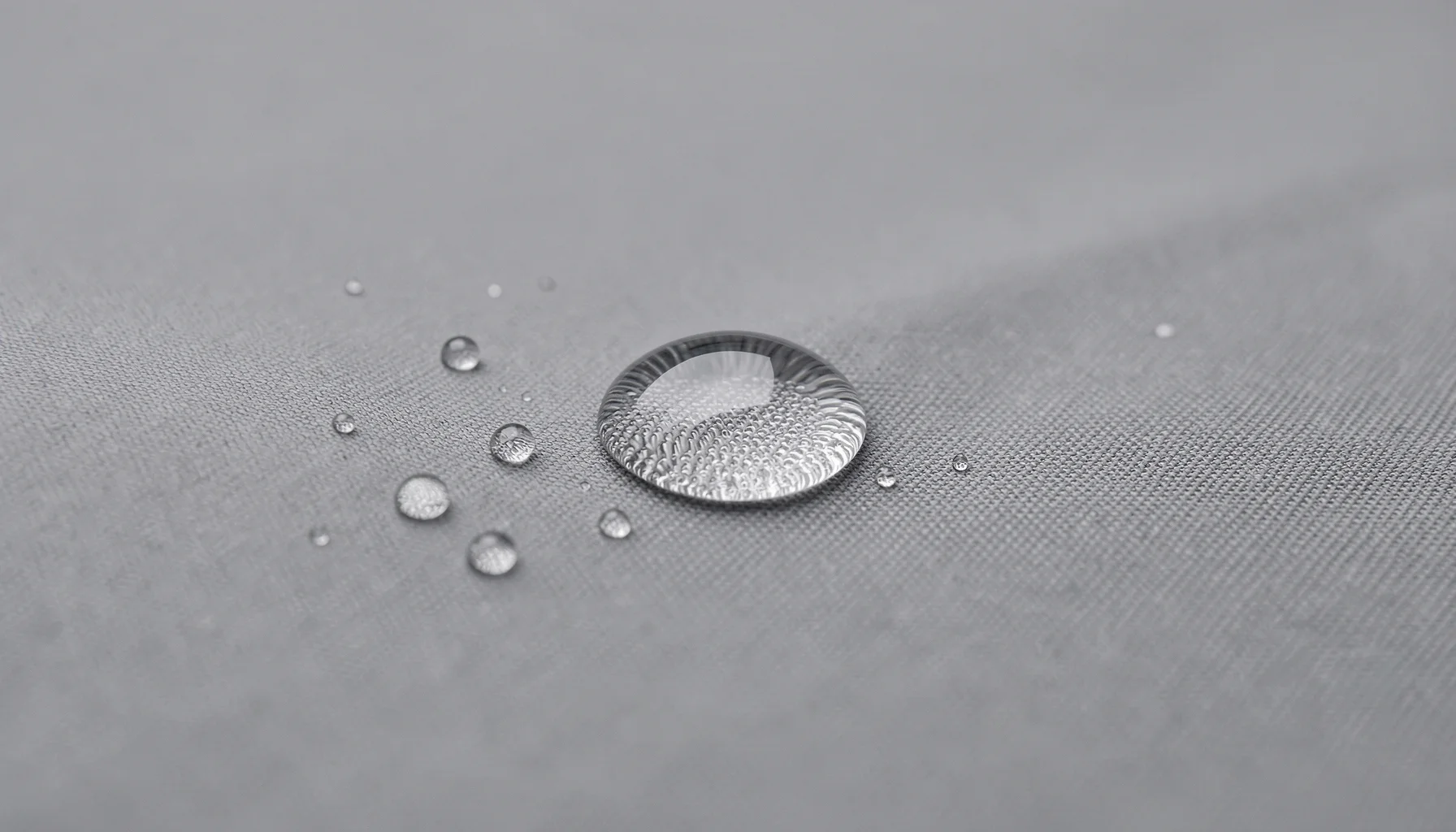 Waterproof Car Seat Covers: Essential Spill Protection - What Waterproof Car Seat Covers Do and Why They Matter
| Evaluation area | What to check | Why it matters |
|---|---|---|
| Liquid resistance | Whether the product is described as waterproof or moisture-resistant | Indicates how the material is intended to limit liquid penetration |
| Seat configuration | Bucket, bench, split-fold, or other arrangement | Determines whether the cover can sit correctly across the seat |
| Vehicle compatibility | Specific make, model, and year guidance | Helps prevent an unsuitable or poorly positioned installation |
| Airbag information | Explicit documentation about side-impact airbag compatibility | Safety information should never be assumed |
| Attachment method | Straps, hooks, elastic bands, or other supplied fasteners | Keeps the cover positioned during normal use |
| Headrest design | Whether headrests must be removed during installation | Affects preparation and final coverage |
| Access points | Seatbelt buckles, controls, sensors, and adjustment handles | Prevents important vehicle functions from being obstructed |
| Cleaning method | Wipe-down or other instructions supplied with the product | Helps preserve the protective surface and appearance |
A consistent installation process improves both protection and usability:
- Identify the seat configuration. Confirm whether the vehicle has bucket seats, bench seating, split sections, removable headrests, or integrated seat-side airbags.
- Read the product documentation. Cross-reference the listing with the vehicle’s make, model, year, seat dimensions, and visible seat features.
- Prepare the seat. Remove headrests if the instructions require it, and clear loose objects from the seat and surrounding floor area.
- Position the cover. Align the cover over the seat back and cushion without stretching it across controls, buckles, or fixed trim.
- Secure the attachment points. Use the supplied straps, hooks, or elastic bands as directed. Fasteners should hold the cover in place without creating excessive tension.
- Check safety access. Verify that seatbelt buckles remain reachable and that the cover does not obstruct sensors or the deployment area of a side-impact airbag.
- Perform a final movement check. Adjust the seat through its normal range and confirm that the cover stays positioned and does not catch on mechanisms.
- Clean spills promptly. Wipe moisture from the cover according to the product’s material instructions rather than allowing liquid to remain at seams or edges.
Do not install a cover if it interferes with side-impact airbag deployment. Airbag compatibility must be explicitly confirmed in the product documentation; it should never be inferred from appearance, elasticity, or the presence of generic straps.
How should owners maintain the barrier? Remove surface moisture and debris promptly, use only the recommended cleaning method, and inspect attachment points periodically. A clean, correctly positioned cover is more useful than one that has shifted, collected debris, or developed damage.
Expert Recommendations, Practical Tips, and the 2026 Outlook
For 2026, the most useful approach remains practical rather than purely aesthetic: choose a cover based on the type of exposure the vehicle experiences, then confirm fitment and safety details before installation. Families may prioritize spill control, pet owners may focus on moisture and debris, and enthusiasts may place greater emphasis on themed styling after functional requirements are satisfied.
YourCarButBetter recommends evaluating the following points before purchase:
- Match the cover to the actual risk. Frequent drink spills call for liquid resistance, while pet use may also require attention to hair, mud, and cleaning access.
- Verify the exact vehicle. Make, model, and year are starting points, but seat shape and equipment can still differ between trims.
- Treat airbag documentation as essential. If side-impact airbag compatibility is not explicitly stated, do not assume the cover is suitable.
- Check exposed areas. A cover protects only the surfaces it covers. Gaps around the sides, seat base, or back may still allow spills to reach the original upholstery.
- Keep seatbelt access clear. A protective accessory should never make buckles difficult to reach or use.
- Inspect after installation. Recheck the cover after several drives, especially if passengers enter and exit frequently.
- Clean before storage. Removing moisture and debris helps prevent residue from remaining on the material between uses.
- Consider appearance second. Animal, character, horror, seasonal, and colorful designs can personalize the interior, but safety and compatibility should lead the decision.
Liquid-resistant covers are also part of a broader interior-protection strategy. Floor mats can help manage moisture and dirt transferred from shoes, while an auto sun shade addresses different exposure concerns. These accessories should be selected independently according to their documented purpose rather than treated as interchangeable protection systems.
Material choice can influence comfort and maintenance. For readers comparing a specific material category, YourCarButBetter explains how neoprene car seat covers handle waterproof comfort considerations. The relevant question is not simply whether a material sounds durable, but whether its documented properties match the vehicle’s daily use.
The 2026 outlook is clear: buyers are likely to value practical protection, straightforward cleaning, transparent fitment information, and safety-conscious installation over unsupported performance claims. A useful product description should explain what the cover protects, how it attaches, what vehicles or seat types it suits, and what the owner must verify before use.
FAQ
Are waterproof car seat covers completely spill-proof?
No. Waterproof car seat covers are designed to repel liquids and limit moisture penetration, but protection depends on coverage, seams, fit, installation, and prompt cleanup. Liquid can still move through gaps or exposed edges. Always follow the product instructions and never treat the cover as a guarantee against every form of interior moisture damage.
Can I use a waterproof seat cover over a seat with side airbags?
Only if the specific product documentation explicitly confirms compatibility with that vehicle’s side-impact airbag arrangement. Do not assume a cover is safe because it appears loose, elastic, or universal. If it can obstruct deployment, sensors, seatbelt access, or other safety equipment, it should not be installed on that seat.