

Why Heavy Duty Car Floor Mats Are Essential for Mud and Snow
Posted by YourCarButBetter on
Heavy duty car floor mats help protect factory carpeting from mud, snow, salt, moisture, and daily debris. Their value is greatest during winter driving, when melting snow can soak the footwell and road salt can remain on the floor. Mats with high-wall channels can help contain moisture and loose material, provided they fit the available floor space and do not interfere with the pedals.
How Heavy Duty Car Floor Mats Manage Mud and Snow
Heavy duty car floor mats create a removable barrier between the vehicle’s carpeting and contaminants brought inside by shoes, pets, passengers, and weather. Rubberized options are generally suited to wet or dirty conditions, while carpet-based mats may emphasize interior appearance and everyday foot-traffic coverage.
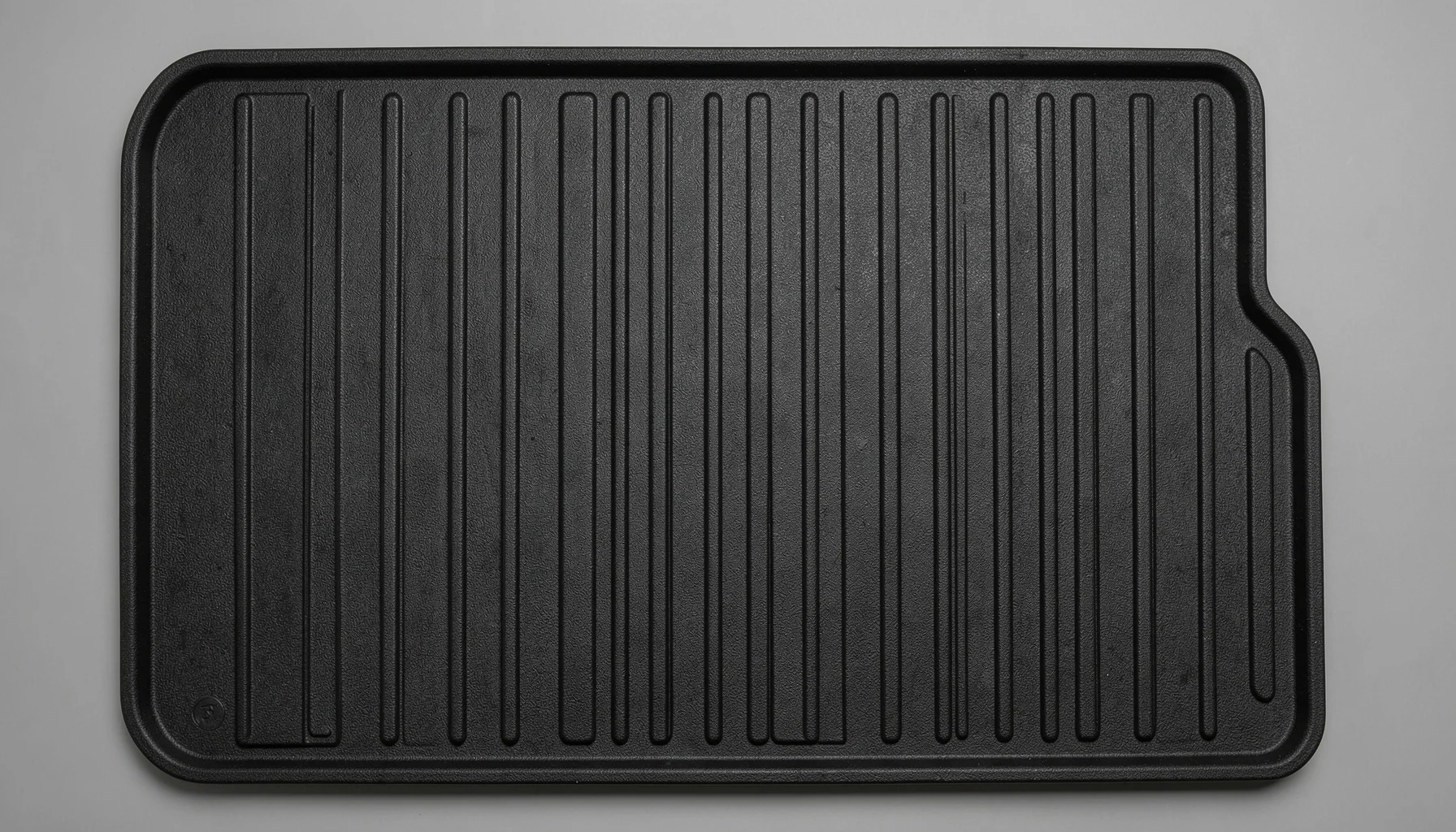 Why Heavy Duty Car Floor Mats Are Essential for Mud and Snow - How Heavy Duty Car Floor Mats Manage Mud and Snow
The most important design feature for winter use is a raised edge or high-wall channel structure. Instead of allowing melting snow and muddy water to spread immediately across the carpet, these contours can help hold moisture, salt, sand, and debris within the mat’s surface. However, performance depends on the specific design, dimensions, and how accurately the mat sits in the footwell.
Why are high-wall channels useful in winter?
High-wall channels guide liquid and loose debris into recessed areas rather than leaving them distributed across a flat surface. This can make removal easier and reduce direct exposure of the factory carpet to moisture. It does not make every mat waterproof, and it should not be treated as a substitute for regular cleaning or proper fitment.
For US drivers, the practical benefits include:
- Moisture management: Melting snow and wet footwear can be contained more effectively than with a completely flat mat.
- Salt and sand control: Winter road salt, grit, and fine debris remain easier to remove when captured by channels.
- Carpet protection: A removable mat helps reduce staining, dampness, and wear on the original floor covering.
- Simpler maintenance: Rubberized surfaces can generally be shaken out or wiped down, while carpet-based products require care suited to their textile construction.
- Family and pet support: Mats can collect mud, hair, crumbs, and other debris from everyday passenger use.
A high-wall design is not automatically custom-fit or compatible with every vehicle. YourCarButBetter recommends checking the specific product page for available dimensions or fitment information rather than assuming that a mat is laser-measured for a particular make or model.
Selecting and Installing Mats for Severe Weather
The right heavy duty car floor mats depend on the vehicle’s floor space, the local weather, the material, and the amount of debris expected. A practical selection process should begin with use rather than appearance alone: frequent snow and mud exposure calls for a design that is easier to remove and clean, while moderate daily commuting may allow greater emphasis on textile styling.
| Consideration | Rubberized Floor Mats | Carpet-Based Floor Mats |
|---|---|---|
| Primary use | Moisture, mud, salt, sand, and everyday debris | Foot-traffic coverage and interior styling |
| Cleaning approach | Shake out, wipe, or clean with a suitable product | Vacuum and clean according to textile care guidance |
| Winter suitability | Often practical for wet and dirty conditions | Can be useful, but requires closer attention to moisture |
| Main fitment check | Floor coverage, raised edges, and pedal clearance | Floor coverage, movement, and pedal clearance |
| Design variability | Channels, contours, colors, and patterns vary by product | Textures, colors, patterns, and themes vary by product |
| Important limitation | Do not assume waterproofing or custom fitment | Do not assume water resistance or vehicle-specific fitment |
A practical installation workflow
Step 1: Assess the driving environment.
Identify whether the main problem is snow, mud, salt, worn carpeting, pet debris, or general daily wear. This determines whether moisture management or appearance should receive priority.
Step 2: Choose the material and design.
Review rubberized and carpet-based options in the YourCarButBetter catalog. For winter conditions, pay close attention to raised borders, recessed channels, and the ease of removing the mat for cleaning.
Step 3: Verify the available floor coverage.
Compare the product’s listed dimensions or fitment information with the vehicle’s footwell. Do not assume that a design is custom-fit unless the product documentation explicitly states that it is.
Step 4: Place the mats carefully.
Position each mat flat in its intended footwell. Check that it does not curl, shift, overlap another mat, or obstruct the accelerator, brake, or clutch pedal.
Step 5: Inspect after installation.
Operate each pedal while the vehicle is stationary. If a mat moves into the pedal area or cannot lie securely, remove it and reassess the fit before driving.
Step 6: Maintain the surface regularly.
Remove loose debris before it accumulates. Shake out or vacuum the mat, then wipe or clean it with an appropriate product for its material. YourCarButBetter’s guide to all-weather car floor mat maintenance provides additional care guidance for routine cleaning.
Rubber versus carpet is ultimately a use-case decision, not a universal quality ranking. Drivers comparing the two materials can also review this practical explanation of rubber versus carpet car floor mats.
Expert Recommendations for 2026 Winter Driving
Heavy duty car floor mats are most useful when they are selected for the vehicle’s actual floor space, installed without pedal interference, and cleaned before moisture and salt remain trapped for extended periods. High-wall channels are a particularly practical feature for snow and mud because they can help confine contaminants, but they should be evaluated alongside fitment and maintenance requirements.
YourCarButBetter’s perspective is that buyers should assess protection and personalization together. Floor mats are functional interior accessories, but available designs may also include different colors, patterns, and themes. The visual choice should not obscure basic checks such as coverage, material, stability, and cleaning requirements.
Practical winter tips
- Remove mats before cleaning the vehicle floor. This prevents trapped salt and grit from being redistributed across the carpet.
- Do not leave standing moisture unattended. Empty or wipe the mat when water begins approaching the edge of its containment area.
- Check the footwell after heavy storms. Snow can melt gradually, so a mat may appear clean while holding moisture in recessed channels.
- Inspect the underside. Dirt beneath the mat can reduce stability and may transfer moisture to the factory carpet.
- Avoid unsupported assumptions. Product names and visual designs do not confirm waterproof construction, certified safety ratings, OEM-grade performance, or custom fitment.
- Replace based on condition. A mat that curls, shifts, cracks, or no longer lies securely should be reassessed before continued use.
The 2026 outlook for this category is likely to remain centered on practical versatility: removable protection for changing weather, easier cleaning for families and pet owners, and more personalized interior designs. The most useful buying decision will still depend on documented product information rather than broad labels such as “heavy duty” alone.
A concise decision checklist is:
- Does the design address the vehicle’s main exposure to mud, snow, salt, or debris?
- Are the dimensions or fitment details suitable for the footwell?
- Do the edges and channels provide useful containment without obstructing pedals?
- Is the material compatible with the cleaning routine you can maintain?
- Can the mat be removed and inspected regularly?
FAQ
Are heavy duty car floor mats waterproof?
Not necessarily. Heavy duty car floor mats may help contain moisture, especially when they include raised edges or high-wall channels, but waterproof performance should never be assumed without product-specific documentation. Melting snow and spills still require prompt removal, inspection, and cleaning to limit moisture exposure to the vehicle’s factory carpeting.
How do I know whether heavy duty car floor mats fit my vehicle?
Check the specific product page for listed dimensions or fitment information, then compare those details with your vehicle’s floor space. Place the mat flat and confirm that it does not shift or interfere with the accelerator, brake, or clutch. Unless explicitly stated, do not assume custom-fit or laser-measured construction.