

How to Choose and Install Split Bench Seat Covers
Posted by YourCarButBetter on
Split bench seat covers protect rear upholstery while letting separate seat sections fold independently, and these rear seat cover installation tips can help resolve fit issues. For US drivers choosing covers in 2026, the key is matching the vehicle’s 60/40, 50/50, or 40/20/40 layout, then checking seat belts, headrests, and folding armrests before installation. A compatible design helps preserve everyday seat function as it covers the fabric, and drivers with heated seats should check whether their seat covers are compatible with the heating system before installation.
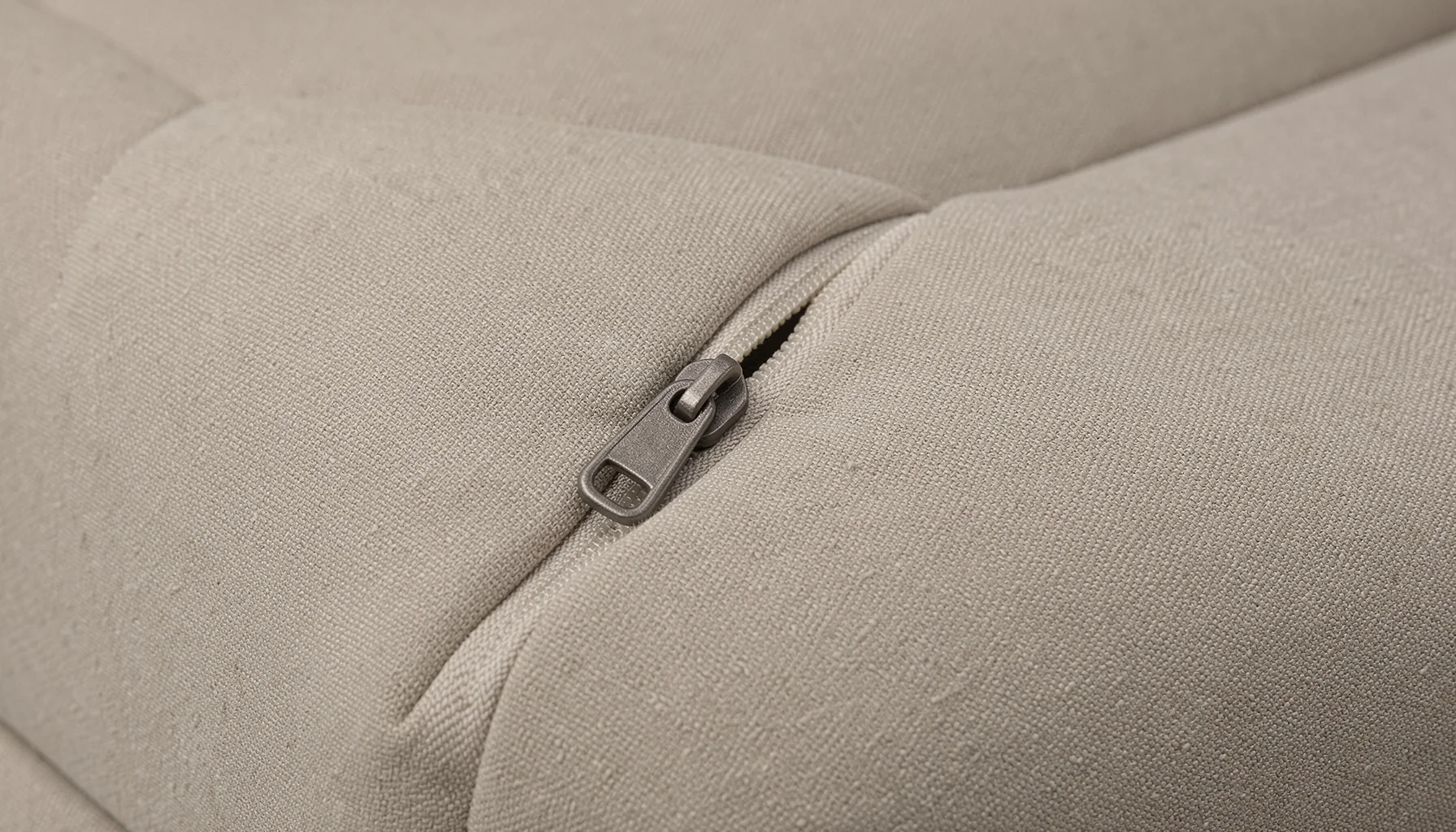 How to Choose and Install Split Bench Seat Covers - How do split bench seat covers fit?
Unlike a one-piece bench cover, a split-seat design needs openings, seams, zippers, or fasteners positioned to accommodate the moving sections, and keeping seat covers from sliding can help maintain a secure fit. That distinction matters when one side folds for cargo while passengers use the other. A cover that generally fits a rear bench may still interfere with a specific split ratio or the placement of its seat belts and headrests.
The common layouts are not interchangeable. A 60/40 split divides the seat into a larger and a smaller section; a 50/50 split divides it into two roughly equal parts. A 40/20/40 configuration has three sections, including a center portion. Identify which sections fold and whether the center section functions as an armrest before selecting a cover. The ratio alone does not confirm that a particular cover will fit.
Folding armrests deserve a separate check. Some rear seats have a center armrest that folds down from the seat back, while a 40/20/40 seat may have a distinct center section. Confirm how your vehicle’s armrest moves, where its release or opening is located, and whether the cover provides access. Do not assume that a zipper or seam intended for a split seat will also accommodate an armrest.
How do split bench seat covers fit?
Fit depends on the vehicle’s seat dimensions, split arrangement, and the locations of belts, buckles, headrests, and other features—not simply on whether the rear seat is split. YourCarButBetter recommends checking the vehicle’s owner information and inspecting the seat before ordering. Compare those details with the product’s stated compatibility; “split bench” by itself is not a guarantee of universal fit.
For a practical fit check, work through these steps:
- Identify the layout. Confirm whether the rear seat is 60/40, 50/50, or 40/20/40, and note which backrest and cushion sections move independently.
- Check the features. Locate headrests, seat belt buckles, and any folding armrest. Also make sure the cover will not obstruct child safety seat anchors, or the LATCH system.
- Prepare the seat. Remove headrests if applicable, following the vehicle’s instructions.
- Align each section. Place the cover over the corresponding seat back and bottom. Match its openings, seams, and fasteners to the seat’s moving sections and features.
- Secure and test. Use the supplied straps, hooks, or elastic bands as directed. Align zippers or other fasteners, then check that each intended section can fold and that belts, buckles, and anchors remain accessible. Smooth the fabric and reinstall the headrests through designated openings.
A correctly positioned cover should not be treated as a substitute for checking vehicle-specific safety requirements. YourCarButBetter does not claim that covers are airbag-compatible or safety-certified unless the specific product says so. If a cover blocks a belt buckle, anchor, or other required feature, do not use it in that position.
Material and upkeep also depend on how the vehicle is used. Pet hair, dirt, spills, children, and frequent passenger use may call for different priorities than a cover chosen mainly to personalize the interior. Check product details rather than assuming a material is waterproof or suited to a particular use. For routine care, vacuum debris and wipe surfaces with a damp cloth; avoid harsh chemicals that could damage the material or print.
Before buying, verify the seat layout, confirm access for every folding section and armrest, and review the specific fit information. The right split bench seat cover should protect the upholstery without sacrificing the rear seat’s intended movement or access.
Share this post
- Tags: split bench seat covers